
In 2025, Madrileña Red de Gas focused its strategy on improving customer experience against a backdrop of changing consumption habits. The consolidation of the internal Customer Service model (ATECLI) enabled an improvement in service quality, with record levels of customer satisfaction (CSAT), higher first-contact resolution rates and a sustained reduction in complaints.
Digital channels became established as the main channel of engagement, with growing use of WhatsApp and self-service, which reached 98%.
The implementation of AI in customer service, quality control and feedback analysis processes enhanced the service’s agility, customisation and predictive capabilities, consolidating a closer, more efficient and customer-oriented engagement model.
3.1Consumption Patterns
With regard to demand forecasting, the 2025 financial year confirms the reduction in heating demand observed in recent years. The comparison between the 2019-2022 period and the three-year period 2023-2025 is particularly significant. With comparable levels of heating degree days and, therefore, similar weather conditions, a 16% reduction in demand levels is observed. This trend confirms that the determining factor behind the decline is not milder weather, but a structural change in customer consumption patterns.
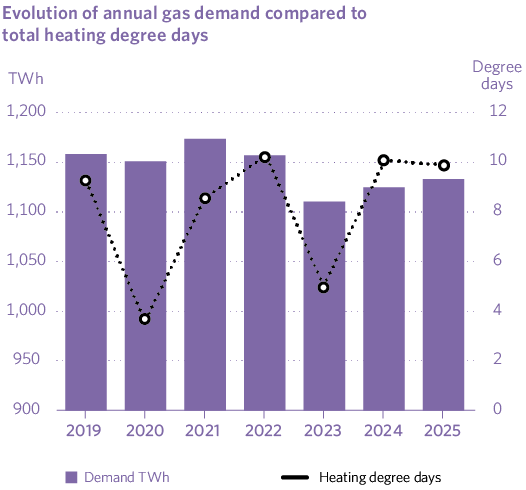
With regard to demand forecasting, the 2025 financial year confirms the reduction in heating demand observed in recent years
This decrease is mainly associated with the geopolitical and market changes that began in the gas year 2022, influenced by factors such as the COVID-19 pandemic and the conflict in Ukraine, amongst others.
Natural gas consumption is influenced by various explanatory variables, notably economic factors such as the price of gas and customers’ disposable income, socio-demographic variables such as household size and floor area, as well as the current public policy and regulatory framework.
Analysis of data from recent financial years shows that, to date, the consumer response to these variables has mainly taken the form of a structural shift in natural gas consumption patterns.
The slight upturn in consumption observed in 2025, amounting to a 3% increase to 9.27 TWh compared to 2024, could be interpreted as an indication of possible ‘savings fatigue’ on the part of consumers or, alternatively, as a technical stabilisation following the attainment of minimum consumption levels.
During 2025, Madrileña Red de Gas incorporated this new demand behaviour variable into a revised predictive model, with the aim of improving the representativeness and accuracy of the forecasts.
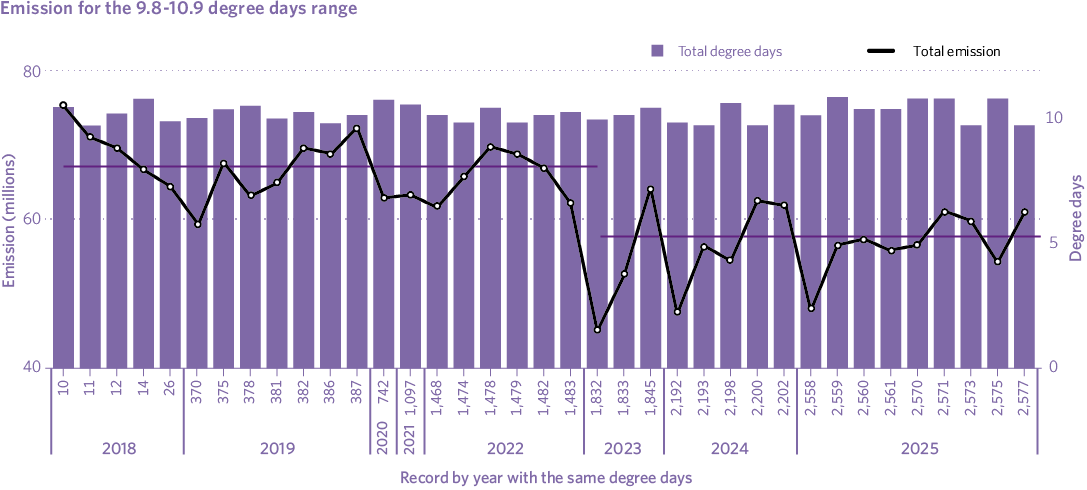
During 2025, Madrileña Red de Gas incorporated this new demand behaviour variable into a revised predictive model, with the aim of improving the representativeness and accuracy of the forecasts
In the analysis carried out, a comparison of days corresponding to a range between 9.8 and 10.9 heating degree days during the month of February in recent years clearly identifies a turning point in the evolution of demand from the gas year 2022 onwards. This behaviour highlights a significant reduction in consumption and demonstrates the existence of a structural change in consumption patterns.
3.2Customer Service
This year, a historic milestone was reached in the field of customer service, which is of strategic importance to the company: the definitive consolidation of the new Customer Service model (ATECLI). This model effectively integrates telephone support and the WhatsApp channel with the various business units, acting as a strategic lever for the continuous improvement of service quality and its alignment with corporate goals.
This year, a historic milestone was reached in the field of customer service, which is of strategic importance to the company: the definitive consolidation of the new Customer Service model (ATECLI)
What began as an ambitious project aimed at improving the quality of direct customer contact has now established itself as a reality that is significantly transforming the company’s value proposition.
The transition to an in-house management model has not only strengthened the brand identity but also delivered substantial operational improvements, as reflected in the key performance indicators:
- Optimisation of efficiency ratios: productivity levels have exceeded the initially defined targets, with a reduction in waiting times and a notable improvement in first-contact resolution (FCR) rates.
- CSAT at all-time highs: customer satisfaction levels have seen significant growth. The CSAT (Customer Satisfaction Score) indicator highlights users’ positive assessment of more personalised service and greater product knowledge, characteristic features of a specialised in-house team.
- Excellence in customer service: the service has evolved from a traditional cost-centre approach to an experience-centre model, in which every interaction contributes directly to the perception of the brand’s value.
The integration of customer service into the company’s internal structure has also facilitated direct and continuous feedback between the customer and other departments. This approach enables greater operational agility, the early identification of areas for improvement and, above all, the handling of every enquiry based on empathy, rigour and the quality standards that characterise the organisation.
Artificial Intelligence at the service of the customer
Madrileña Red de Gas has successfully completed the implementation of a new AI agent integrated into its CRM for telephone support to customers and users. This solution is not intended to replace people, but rather to reinforce and enhance the talent and expertise of the customer service teams.
Madrileña Red de Gas has successfully completed the implementation of a new AI agent integrated into its CRM for telephone support to customers and users
Unlike conventional tools, this system acts as a real-time co-pilot, assisting agents during call handling and facilitating more efficient, accurate and empathetic service through the following features:
- Instant diagnosis: precise identification of the technical status of the gas supply point.
- Causal analysis: automatic determination of the exact reason for the contact, linked to a specific process (Periodic Inspection, supply cut-off, recorded meter readings, supply connection, etc.), allowing the call to be contextualised from the outset.
- Solution proposals: recommendation of the most appropriate resolution method in accordance with current protocols.
- Strategic guidance: guidance for the agent on how to conduct the conversation in the most efficient and empathetic manner.
In 2025, Madrileña Red de Gas has implemented scenarios linked to the Top 10 cases with the highest volume of customer contacts, including:
- Periodic Inspection with defects.
- Periodic Inspection due to absence.
- Re-connection following disconnection due to lack of a valid Periodic Inspection.
- Confirmation or change of appointment for a Periodic Inspection.
- Request for an appointment for new supply connections.
Currently, the system has a success rate of 56%, a figure that is expected to increase progressively thanks to continuous training and the evolution of the AI model.
One of the key strengths of this technology is that it draws on the knowledge and experience accumulated by Madrileña Red de Gas’s own staff, as well as on the processes already in place within the organisation. In this way, the company has succeeded in combining real-time data processing capabilities with the expert judgement of its teams.
This implementation enables Madrileña Red de Gas to reduce response times, improve first-contact resolution and ensure that every customer receives an accurate and appropriate solution to their specific concern.
Furthermore, in the area of quality control, Madrileña Red de Gas currently makes regular use of AI to detect incidents recorded in free-text comments by field agents, which until now were impossible to analyse using traditional methods.
In the area of quality control, Madrileña Red de Gas currently makes regular use of AI to detect incidents recorded in free-text comments by field agents
In this context, in 2025 a use case was rolled out based on the automated analysis of the texts that technicians include as comments in work orders relating to periodic inspections and home visits. By applying natural language processing techniques, the system identifies patterns, inconsistencies and potential recurring errors that require corrective actions to be taken by the relevant business units. As a result of this initiative, for example, nearly 1,500 meters that were not measuring correctly have been identified.
In the area of customer experience, sentiment analysis models have been implemented to analyse reviews published on the Google My Business platform, where the company has over 15,000 reviews. This analytical capability enables the systematic identification of the main factors driving customer satisfaction and complaints, facilitating the prioritisation of improvement actions aimed at enhancing service quality.
In addition, users can access Clara, a virtual agent available on the corporate website that provides answers in natural language to customers’ main queries, such as prices, periodic inspections, meter readings or information relating to renewable gases such as hydrogen or biomethane. This tool helps to improve access to information and reduce the operational burden on traditional customer service channels.
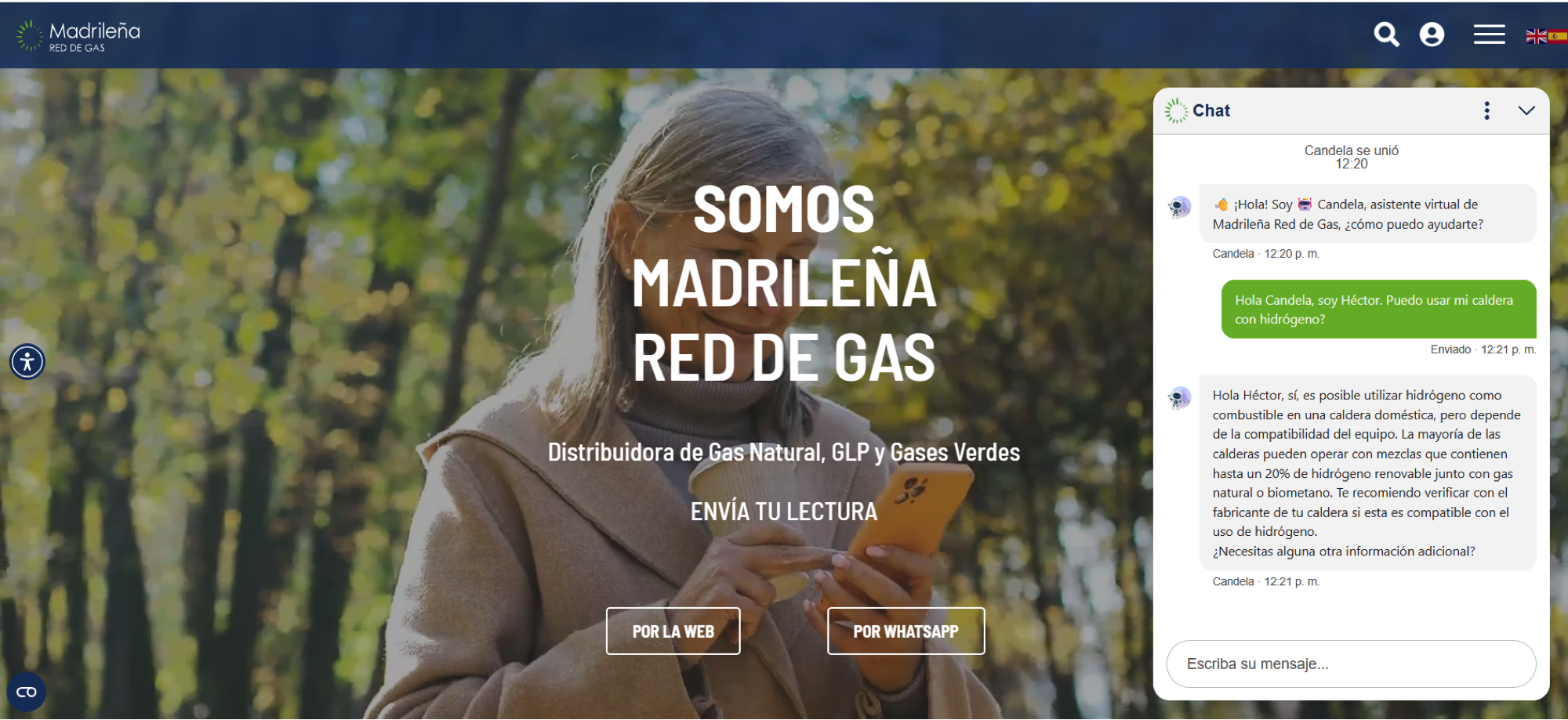
Clara, our virtual agent, uses natural language to respond to the main enquiries our customers may have.
ATECLI online 2025 Training Platform
As part of its commitment to innovation and operational excellence, Madrileña Red de Gas has launched the new ATECLI Online 2025 Training Platform. This project was created with a clear objective: to democratise access to the technical knowledge and processes specific to the gas distributor, providing consistent, high-quality training for all teams.
Madrileña Red de Gas has launched the new ATECLI Online 2025 Training Platform
To this end, the company has transformed the complex Call Centre operating manuals into an intuitive and dynamic digital learning experience, now available to all professionals involved in customer service. The platform comprises approximately 30 hours of training, structured to facilitate the progressive assimilation of the content.
The training programme has been designed in specific modules, each linked to a key business process. The approach goes beyond the simple consultation of reference material and is geared towards ensuring solid and effective learning through:
- Up-to-date content aligned with actual operations: all training materials are based on the current process manuals that govern day-to-day customer service activities.
- Self-assessments: at the end of each module, there are question-and-answer quizzes that allow learners to check their understanding and reinforce their knowledge independently.
- A dynamic and evolving tool: given the dynamic nature of the sector, the platform is designed to be updated regularly, incorporating regulatory or technical changes and ensuring access to the official and current version of the processes at all times.
The ATECLI Online 2025 Training Platform is thus established as a cross-functional strategic resource, with clear benefits for different roles within the organisation. The platform forms the cornerstone of the induction and training process for new customer service agents, facilitating their gradual on-boarding, the development of operational autonomy and the acquisition of the knowledge necessary to deliver a quality service from the very outset.
It also serves as a reference and refresher tool for more experienced staff and for other departments wishing to gain a deeper understanding of customer service processes or the day-to-day operations of a gas distributor, thereby broadening their overall perspective of the business.
Through this initiative, Madrileña Red de Gas aims for the platform to become the training benchmark for understanding how each process and every part of the organisation work, strengthening internal cohesion and contributing to greater team strength and efficiency.
1st Customer Service Conference for gas distributors
For the first time, Madrileña Red de Gas hosted the 1st Customer Service Conference, an event designed as an exclusive forum where the leading natural gas distribution companies could share challenges, solutions and ideas on the future of customer service.
For the first time, Madrileña Red de Gas hosted the 1st Customer Service Conference, an event designed as an exclusive forum where the leading natural gas distribution companies could share challenges, solutions and ideas on the future of customer service
Various distributors from the sector took part in this event, fostering an environment of open dialogue focused on the exchange of experiences and best practices.
The main aim of the conference was to raise the sector’s quality standards through transparency, cooperation and joint learning. In order to gain a deeper understanding of the reality of the service offered to customers, the day was structured around three strategic workshops, which enabled the user experience to be analysed from a comprehensive perspective:
Workshop 1: How are we doing?
A collaborative analysis exercise aimed at assessing the current situation and the position of each participating company. The main strengths were identified, as well as the friction points that the sector must address collectively.
Workshop 2: A 360° view of customer service
This second session focused on identifying best practices and designing potential improvement initiatives. Customer service was addressed beyond the technical process, viewing the service as a global ecosystem that accompanies the user at all touchpoints.
Workshop 3: How can we do it?
The day concluded with a practical workshop in which the key learnings were consolidated. During this session, a technical and operational roadmap was defined, aimed at implementing the improvements identified during the workshop.
This initiative enabled not only the exchange of knowledge among participants, but also the consolidation of a sectoral collaboration network, aligned with the principles of continuous improvement promoted by Madrileña Red de Gas. The main conclusions of the conference were as follows:
- A clear overview of the sector’s current situation and competitive landscape.
- A catalogue of best practices suitable for implementation in the short and medium term.
- A shared commitment to promoting initiatives aimed at simplifying and improving the end-user experience.
The holding of this meeting marks the start of a line of work focused on service excellence. The company intends to continue holding this type of meeting on an annual basis, fostering the exchange of best practices and a shared vision of constant improvement, with the ultimate purpose of making life easier for users and enhancing the quality of the service provided.
3.3Customer Communication
Madrileña Red de Gas maintains an active and ongoing engagement with its consumers, whilst stepping up its efforts to improve the quality and user experience of end-users. This positive trend is confirmed by the fact that, despite an increase in the total volume of incoming customer enquiries (more than 160% over the last five years), the total number of formal complaints or requests from users has fallen by 48% over the same period.
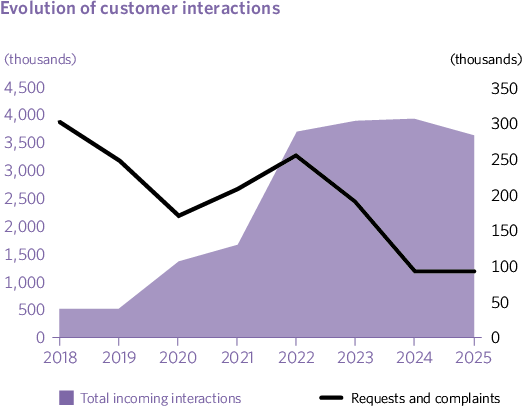
Despite an increase in the total volume of incoming customer enquiries (more than 160% over the last five years), the total number of formal complaints or requests from users has fallen by 48% over the same period
With regard to the company’s customer service channels, it is evident that in recent years there has been a significant shift in users’ preferences regarding the means of contacting the company.
The contribution of the various customer service channels has evolved significantly over time, with a notable steady decline in the share of the telephone channel, which in 2025 stands at around 10% of total incoming interactions.
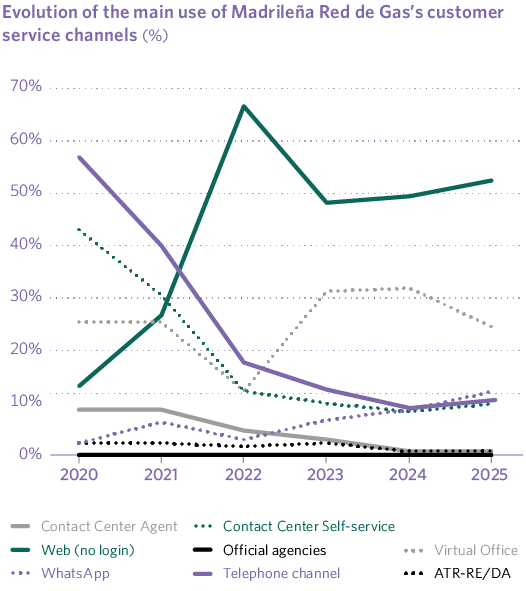
There is significant growth in the ‘Web without login’ channel, which rises from 13% in 2020 to over 50% in 2025, remaining the dominant channel. This trend indicates a clear preference for quick and accessible solutions that do not require authentication. The WhatsApp channel also shows sustained growth, albeit to a lesser extent.
More traditional channels, such as Contact Center agents and government bodies, remain at low and relatively stable levels, reflecting a structural shift in customer service habits, with a greater inclination towards digital and automated solutions.
| 2019 | 2020 | 2021 | 2022 | 2023 | 2024 | 2025 | |
| Virtual Office | 0 | 25 | 25 | 12 | 32 | 32 | 25 |
| Web (no logon) | 0 | 13 | 27 | 66 | 48 | 49 | 52 |
| ATR-RE/DA | 0 | 3 | 2 | 1 | 2 | 1 | 1 |
| 0 | 2 | 6 | 3 | 7 | 9 | 12 | |
| Phone channel | 100 | 57 | 39 | 17 | 12 | 9 | 10 |
User empowerment through the expansion of channels and the strengthening of self-service has been a key factor in maintaining high levels of customer satisfaction. Self-service continues to improve consistently across all channels, reaching an overall score of 98%.
Complaints
With regard to the number of complaints received, following a period of steady growth and the peak recorded in 2023, the measures taken this year have had a positive impact on the management and resolution of incidents, resulting in a sustained decline in the number of complaints. The year 2025 stands out particularly positively in terms of the trend in the number of complaints received, as it reached the lowest level of the entire analysed period.
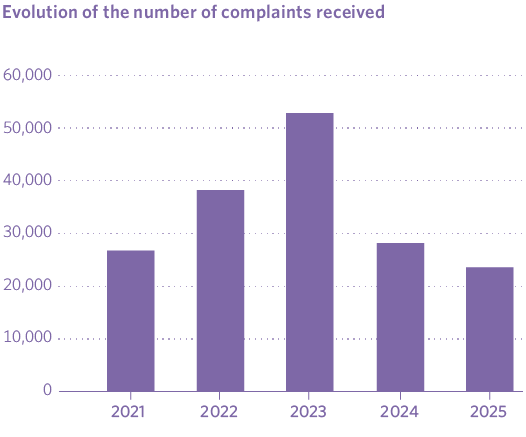
The trend observed over the last two financial years, therefore, points to a gradual improvement in service quality and in the customer experience.
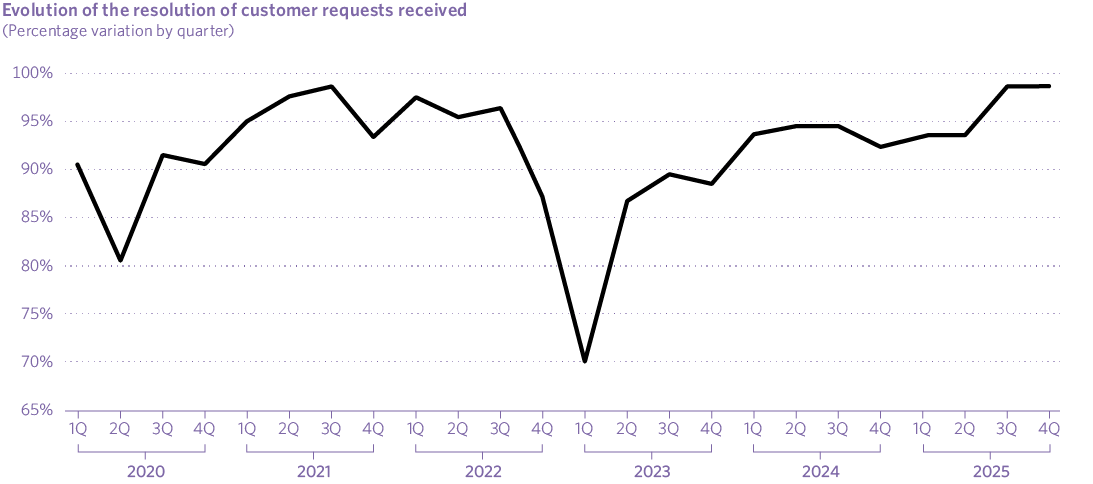
As for the resolution of complaints received, the vast majority are resolved quickly, either on the same day or the following day. In recent financial years, and particularly in 2025, the results have been very high, reflecting a clear improvement in customer management and service.
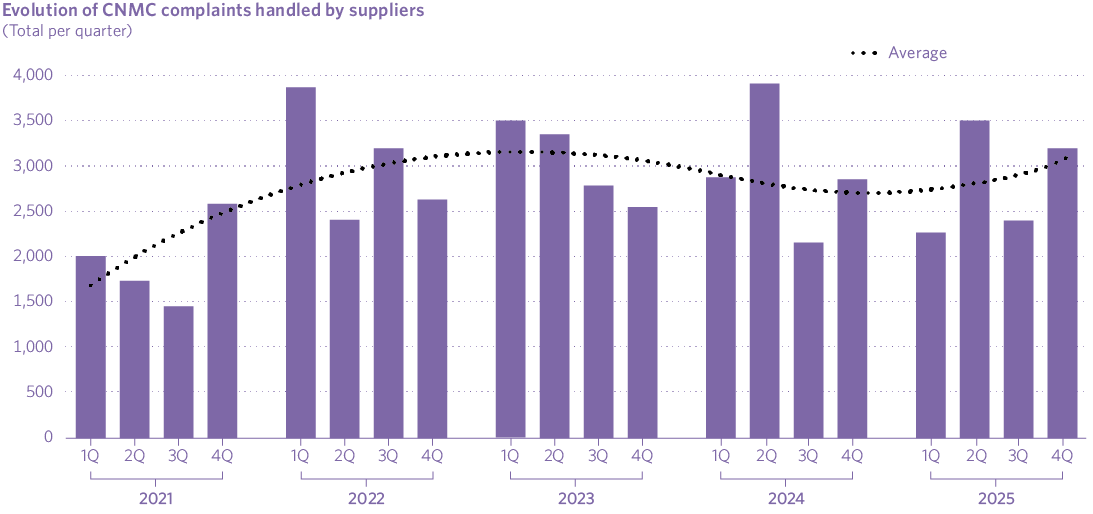
With regard to the requests the distributor receives from supply companies, in recent financial years, complaints have remained consistently above initial levels, reflecting increased activity and monitoring of the complaints process, as well as a consolidation of the channels of communication between supply companies, the distributor and the regulatory body.
It is important to note that this refers exclusively to complaints made by supply companies and sent directly to the distribution company, without direct customer involvement at this stage of the process.
B2B Virtual Office
With the aim of facilitating management for companies, organisations and service providers that process or manage multiple supply points, Madrileña Red de Gas has launched its B2B Virtual Office.
With the aim of facilitating management for companies, organisations and service providers that process or manage multiple supply points, Madrileña Red de Gas has launched its B2B Virtual Office
The design of this new platform aims, first and foremost, to allow users to check directly whether a supply point is active or available for connection, thereby streamlining decision-making and planning of the necessary procedures. A second objective is to enable access to the customer’s Virtual Office, subject to the customer’s prior and express authorisation, to view information associated with their supply point and manage requests relating to periodic inspections, billed meter readings, home-based interventions and other routine procedures and administrative tasks.
The platform has been designed with a simple and intuitive interface, facilitating quick use and a user-friendly experience. Furthermore, it is available 24/7, providing greater freedom and autonomy in managing affairs, avoiding the need to contact Madrileña Red de Gas via traditional channels.
Furthermore, as the processing of requests from private customers requires their prior authorisation, the platform provides a secure and controlled environment, guaranteeing at all times the protection of customer information and compliance with the security and confidentiality requirements necessary for the correct processing of such procedures.
3.4Customer Loyalty
Madrileña Red de Gas continues to publish key indicators of customer experience and satisfaction on its website on a quarterly basis, in line with its commitment to transparency, continuous performance monitoring and the improvement of service management.
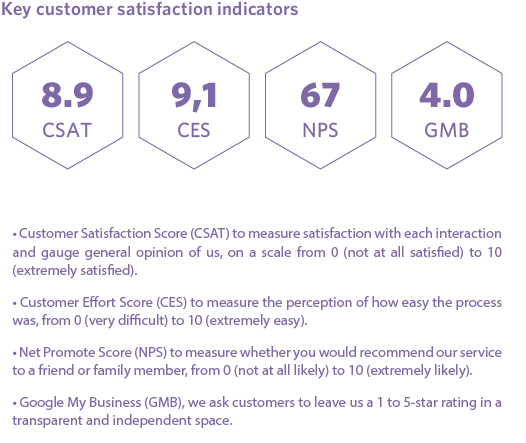
- Customer Satisfaction Score (CSAT) to measure satisfaction with each interaction and gauge general opinion of us, on a scale from 0 (not at all satisfied) to 10 (extremely satisfied).
- Customer Effort Score (CES) to measure the perception of how easy the process was, from 0 (very difficult) to 10 (extremely easy).
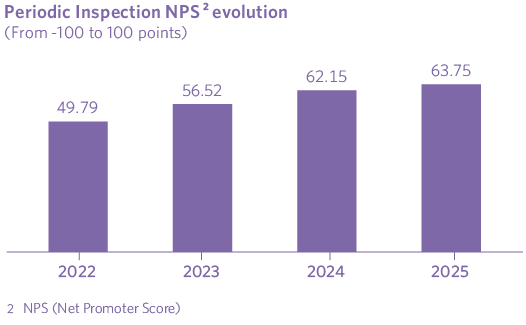
- Net Promote Score (NPS) to measure whether you would recommend our service to a friend or family member, from 0 (not at all likely) to 10 (extremely likely).
- Google My Business (GMB), we ask customers to leave us a 1 to 5-star rating in a transparent and independent space.
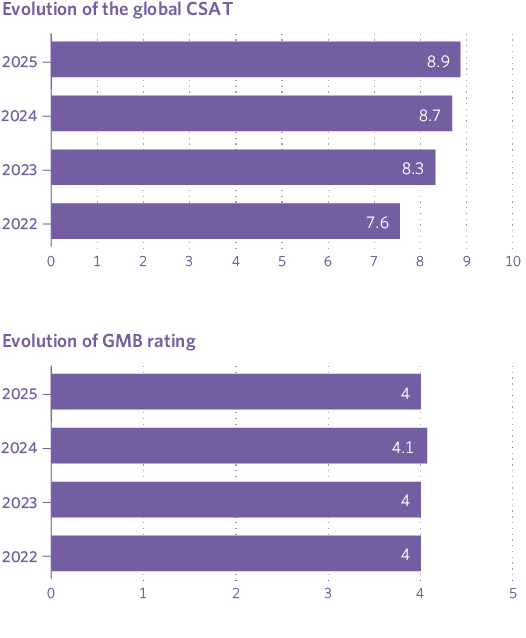
In this regard, the overall CSAT index shows a clear upward trend in customers’ perception of the service offered by the company, whilst the GMB index remains stable. This sustained improvement is the result of a strategic approach focused on operational excellence, user-centric digitalisation and increasingly personalised, proactive and multi-channel customer service.
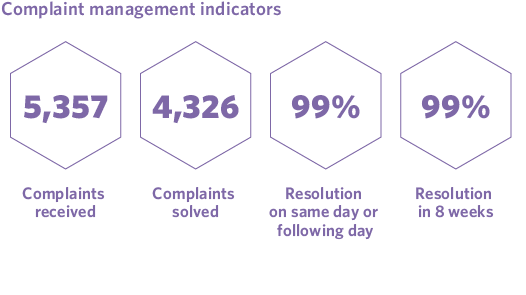
Likewise, the quarterly complaint handling indicators reflect a high level of efficiency in customer service. These indicators are published quarterly on Madrileña Red de Gas’s website, in line with the company’s commitment to transparency and customer access to information.
3.5Customer Operations
Readings
In the gas year 2025, Madrileña Red de Gas reports a net loss of gas greater than zero, with a 3% increase in supply compared with the previous gas year 2024.
In the gas year 2025, Madrileña Red de Gas reports a net loss of gas greater than zero, with a 3% increase in supply
One of the key factors behind this development is the correction of erroneous measurements at the carrier’s delivery point, which historically benefited the company. This adjustment has allowed the loss balance to be reflected more realistically in the gas year 2025, as a result of greater technical precision in measurement. This demonstrates that the negative balance recorded in 2024, interpreted as a gas gain, was fictitious.
As for the correlation between supply and losses, whilst in the domestic customer segment higher consumption tends to increase the percentage of losses, the growth observed in supply is not, on its own, sufficient to justify the increase in the loss balance recorded in the current financial year.
From the point of view of operational efficiency, loss control is not a matter of chance. The policies implemented to detect abnormal consumption, together with the roll-out of remote metering systems, act as a genuine ‘firewall’ against gas losses. It should be noted that these measures entail a high and recurring cost, particularly for a distributor with a predominantly domestic customer base, where the effort required—both on-site and digital—is considerably more expensive than in industrial segments. Nevertheless, this effort is essential to ensure the sustainability of the system.
The policies implemented to detect abnormal consumption, together with the roll-out of remote metering systems, act as a genuine ‘firewall’ against gas losses
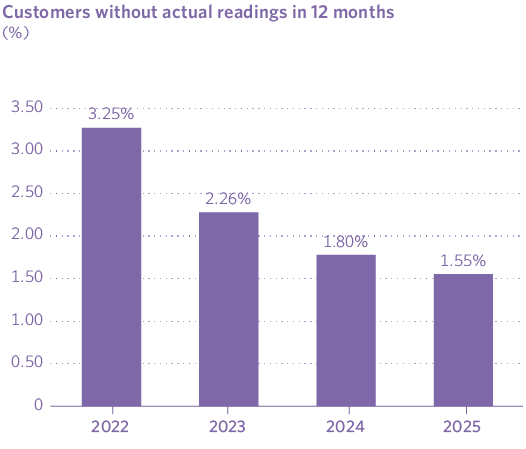
Finally, the gradual transition from estimated readings to actual readings not only contributes positively to controlling the loss balance, but also improves the end customer’s perception of transparency and reduces the risk of future complaints.
Meanwhile, Madrileña Red de Gas successfully implemented a new multi-protocol smart meter platform aimed at industrial and high-consumption customers. This platform also forms the technological basis for the future roll-out of smart meters in the domestic sector, scheduled for 2026.
The six-month project was carried out simultaneously with the replacement of 100% of existing remote communication models, as well as the adoption of LoRaWAN technology as the primary network solution for communication with metering equipment.
Although Madrileña Red de Gas anticipates that legislation will drive the roll-out of smart meters in the domestic sector in the near future, the bi-monthly manual reading of domestic meters will continue to be a significant part of the metering service it provides to its customers.
Madrileña Red de Gas offers its customers various channels to facilitate the submission of meter readings in cases where it is not possible to physically access the meter. Thanks to this multi-channel offering, 95% of meter readings provided by customers are submitted via the new digital channels, reflecting a high degree of adoption and effectiveness of the digital solutions implemented.
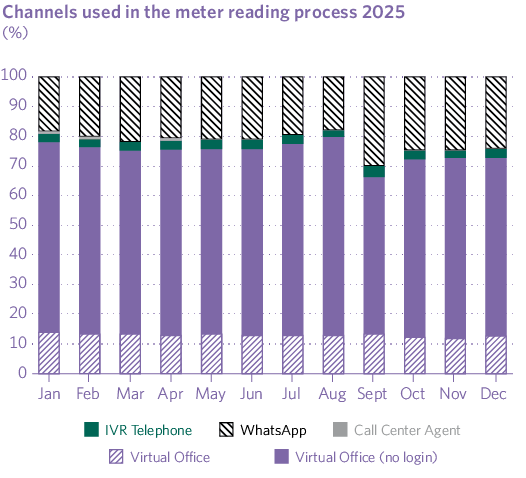
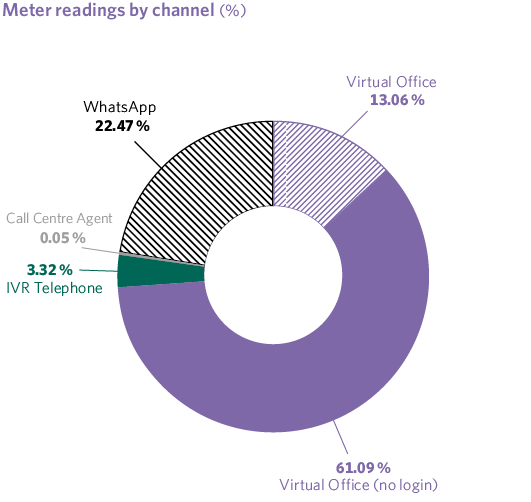
Specifically, among the channels used for the customer-provided meter reading process, there has been a significant increase in the use of WhatsApp with photo reading, which has risen from 17.66% to 22.47%. Conversely, telephone calls to a Madrileña Red de Gas agent are now used only marginally, falling from 0.18% to 0.05%.
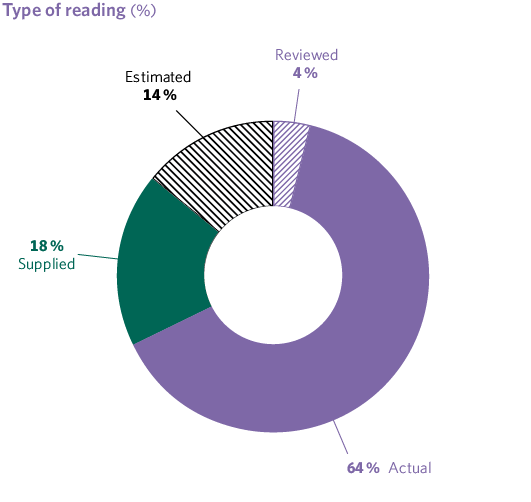
The possibility of receiving a bill based on actual meter readings acts as an incentive for customers to provide their meter readings.
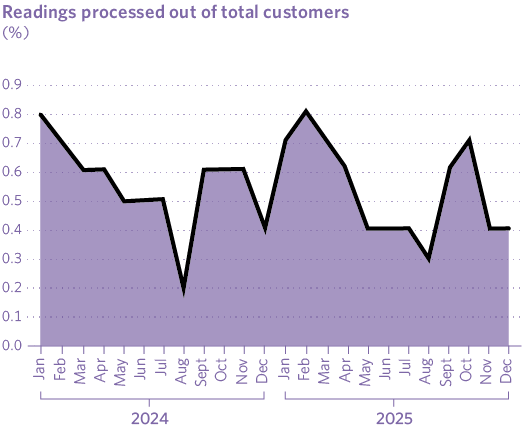
The handling of inconsistent meter readings by Madrileña Red de Gas’s specialist staff has seen a 5% reduction, reflecting the continuous improvement in the quality of the data captured and the efficiency of the meter reading processes.
Furthermore, Madrileña Red de Gas remains firmly committed to minimising the percentage of customers whose meters have not been read by professional staff in the sector. As a result of this ongoing effort, this indicator has seen a gradual reduction year on year.
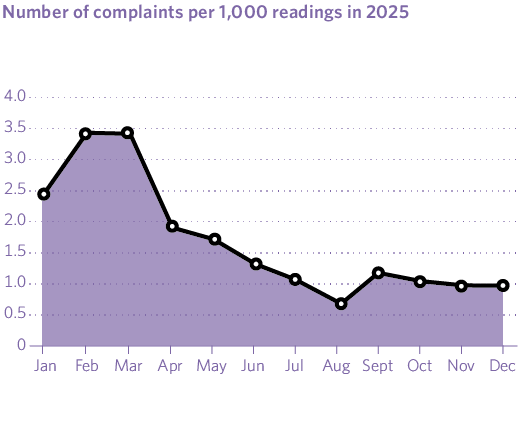
Additionally, in 2025 there was a significant and sustained reduction in the number of monthly complaints related to the meter reading process. In this context, Madrileña Red de Gas continues to offer a high level of service to its customers, recording fewer than two complaints per 1,000 meter readings. Specifically, the complaints ratio fell from 1.67‰ in December 2024 to 0.94‰ in December 2025. Similarly, customer satisfaction regarding the metering process shows a positive trend, reaching an overall CSAT score of 8.39, compared to 8.29 in the previous financial year.
In-home operations and IRC maintenance
During the 2025 financial year, a total of 6,117 appointment rescheduling requests were processed, representing 15.48% of a total of 59,346 in-home operations relating to reconnections, terminations at the customer’s request and other types of operation.
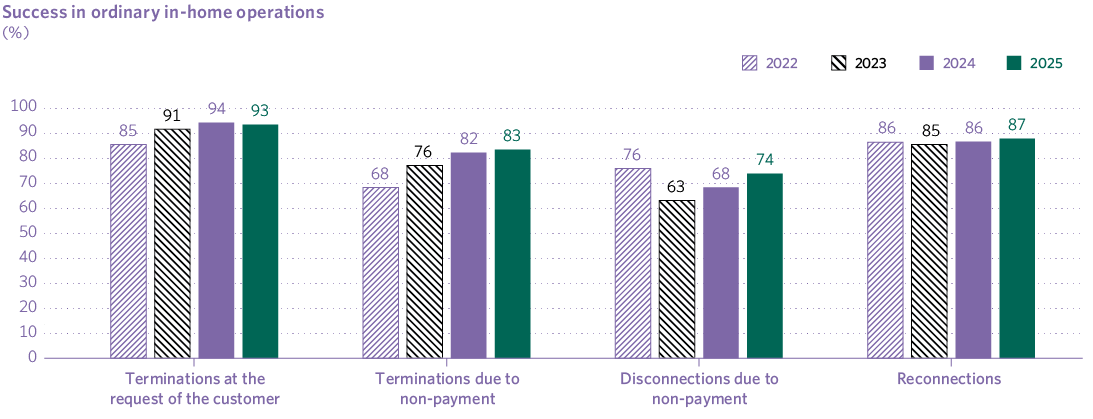
Throughout 2025, Madrileña Red de Gas maintained high levels of success in the execution of key in-home operations, consolidating an efficient and customer-oriented management.
Throughout 2025, Madrileña Red de Gas maintained high levels of success in the execution of key in-home operations
These results are a direct consequence of the efforts made to collect and update customer data, as well as the continuous improvement of communications and engagement strategies, which have enabled a higher percentage of planned operations to be completed.
It is also worth highlighting the handling of complaints, which has consistently maintained a processing rate of over 99% of complaints resolved within one day, reinforcing Madrileña Red de Gas’s commitment to service quality, prompt response times and customer satisfaction.
Furthermore, in 2025 field operations maintained a quality control rate of nearly 99%, sustained consistently throughout the year, with no alarming cases detected.
Finally, in the area of maintenance of Communal Gas Reception Installations (IRC), Madrileña Red de Gas carried out a total of 481 maintenance or repair operations during the 2025 financial year. In cases where it was necessary to cut off the supply, service was restored within 72 hours and, in virtually all cases, within 24 hours.
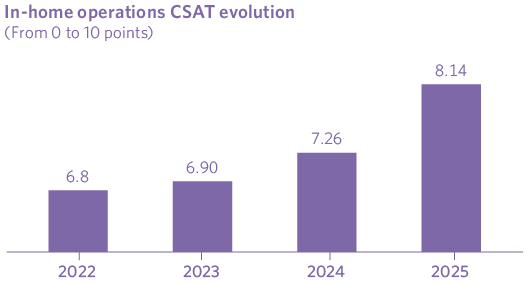
Madrileña Red de Gas has set as a priority objective the improvement of customer satisfaction in a service as important as in-home operations. As a result of the measures implemented throughout the 2025 financial year, a customer satisfaction score (CSAT) of 8.14 has been achieved, representing a significant improvement on the figure recorded in 2024.
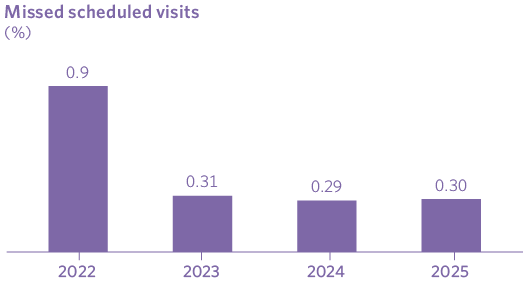
Furthermore, the company continues to provide a transparent service, keeping customers informed at every stage of field visits and strictly adhering to the schedule agreed in advance for each visit.
Administrative cancellations
The latest regulatory review carried out in 2017 by the National Commission on Markets and Competition (CNMC) introduced the possibility for customers to terminate their gas contracts with suppliers without the meter being removed, a situation known as administrative cancellation. This new regulatory framework has given rise to certain issues which, if not managed properly, may pose operational and safety risks.
In this context, Madrileña Red de Gas has adopted a proactive and decisive approach to mitigate the effects of this regulatory situation. Throughout the financial year, corrective actions have been implemented, both administrative and in the field, aimed at identifying, controlling and reducing these cases.
Thanks to these measures, the 2025 financial year closed with a total of 897 administrative cancellations, consolidating an improvement in the management of such situations and reinforcing the company’s commitment to safety, regulatory compliance and service quality.
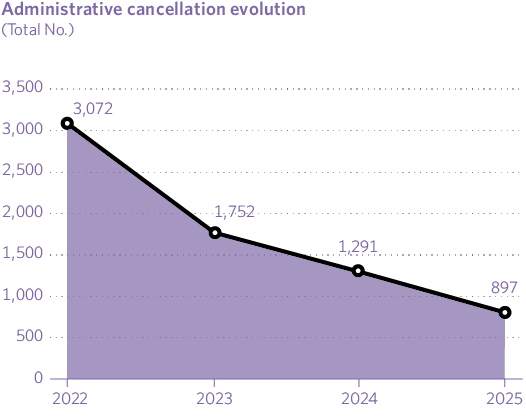
The 2025 financial year closed with a total of 897 administrative cancellations, consolidating an improvement in the management of such situations
Periodic Inspection
During the 2025 financial year, Madrileña Red de Gas achieved highly satisfactory results in the context of the Periodic Inspection: no non-compliance and great flexibility in scheduling and meter readings.
These achievements are particularly significant as they were attained in a year considered a low point within the Periodic Inspection cycle.
The total number of inspections carried out amounted to 132,046 periodic inspections, covering both domestic and industrial sectors. Of this total, 125,418 periodic inspections were executed directly by Madrileña Red de Gas, whilst the remaining 6,628 were performed by third parties, namely authorised installation companies.
The domestic campaign achieved a success rate of 98.6%, reflecting high operational efficiency and effective coordination of the work. Furthermore, the rate of missed visits stood at under 1%, specifically 0.45%, with missed periodic inspections being rescheduled on the same day, which has enabled a reduction of up to 0.21% in such missed visits.
Furthermore, Madrileña Red de Gas has continued to carry out meter readings as part of the Periodic Inspection process in cases where the meter inspection was pending. As a result of this initiative, 87% of meter readings were completed, with 0.74% of incidents detected, all of which were duly rectified, thereby ensuring the reliability of the measurements and the correct operation of the installations.
In the field of industrial inspections, a significant preventive effort has been made to avoid the suspension of supply due to the failure to receive the Certificate of Defect Rectification (JCA) on time at facilities in the Community of Madrid, such as schools, medical centres and sports facilities. These actions were carried out in close collaboration with the Directorate-General for Energy Transition and the Circular Economy (DGTEEC) of the Community of Madrid, reinforcing service continuity and regulatory compliance at critical facilities.
Throughout the 2025 financial year, field operations recorded a quality control rate of nearly 99%, remaining consistently high throughout the year, with no alarming cases detected.
Furthermore, Madrileña Red de Gas has fully complied with the deadlines set for the management and resolution of complaints, with 99.85% of complaints resolved within one day. The total volume of complaints stood at 28.51‰ (per thousand) across the integrated service, which encompasses Periodic Inspection (IP), In-Home Operations (OD) and New Connections, reflecting a high level of operational efficiency and responsiveness.
Likewise, the process for changing appointments has been made easier, with procedures adapted to customers’ needs. One of the key factors in achieving these results has been continuous, multi-channel communication with customers through the various channels provided by the company. These communications have evolved steadily, adapting to the demands identified through the analysis of complaints, reviews and satisfaction surveys.
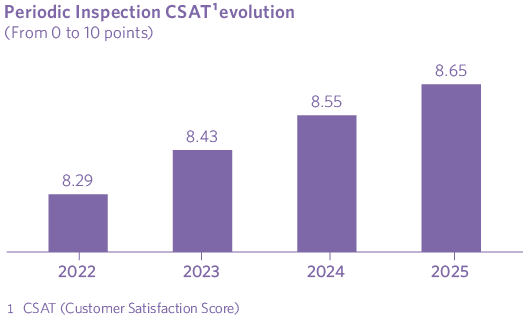
As a result of these measures, the customer satisfaction index (CSAT) stood at 8.65, in line with the results achieved in the previous financial year.
The customer satisfaction index (CSAT) stood at 8.65, in line with the results achieved in the previous financial year
In this regard, concerning appointment management, 33,458 appointment changes were recorded in 2025, meaning that 26.97% of customers who underwent the Periodic Inspection in that financial year altered their originally scheduled appointment, demonstrating the usefulness and high level of utilisation of the flexible options offered by Madrileña Red de Gas.