
In 2025, Madrileña Red de Gas operated in a highly mature and strictly regulated environment, consolidating its leadership with over 906,000 supply points and a network of 6,179 km. Growth was driven by horizontal expansion, the conversion of over 1,800 LPG points to natural gas, and the deployment of nearly 15 km of new network, fully equipped for renewable gases.
Furthermore, the company achieved 100% compliance with preventive maintenance, carrying out over 11,000 technical interventions, improvements to SCADA, remote metering and operational control, and ensuring a high level of supply reliability.
Emergency management maintained high standards, with effective average response times for priority alerts, reinforcing a robust and resilient technical model.
2.1Residential Market
During the 2025 financial year, Madrileña Red de Gas operated in a highly complex environment, characterised by an increasingly demanding regulatory framework and an institutional narrative focused on electrification. Despite these challenges, the company has succeeded in reaffirming the continued relevance of natural gas as a fundamental pillar in the energy transition process in the Community of Madrid.
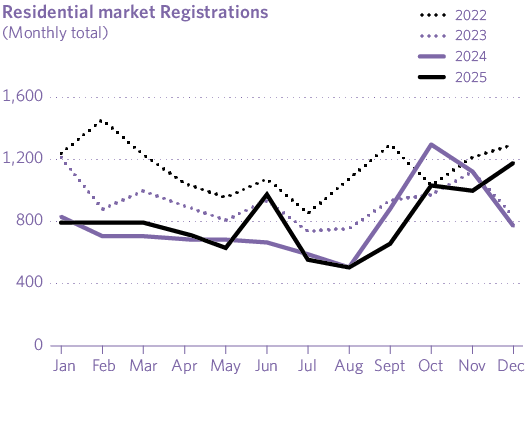
In 2025, Madrileña Red de Gas maintained the trend observed in recent years, consolidating steady and sustained growth in the acquisition of new supply points. The success achieved during this financial year is particularly noteworthy given the high degree of maturity of its distribution area, where the penetration rate now exceeds 80%.
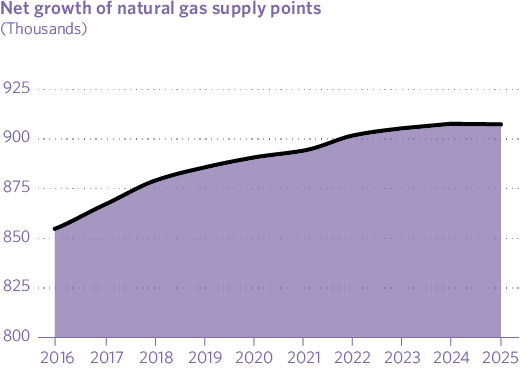
In this context, growth is not based on expansions into large areas or new developments, but on a genuine process of ‘precision mining’, underpinned by highly specialised commercial management, aimed at identifying and capturing the remaining potential within established residential areas.
Madrileña Red de Gas has established itself as the gas distributor with the highest number of supply points in the Community of Madrid, exceeding 906,000 active supply points
According to the findings of the “Quarterly Report on the Natural Gas Market in Spain”, published by the CNMC in 2025, which analyses issues such as growth trends or the market share of supply companies and Distribution System Operators (DSOs) in the Spanish natural gas market. The conclusions confirm that Madrileña Red de Gas has established itself as the gas distributor with the highest number of supply points in the Community of Madrid, exceeding 906,000 active supply points.
Customer acquisition and property value
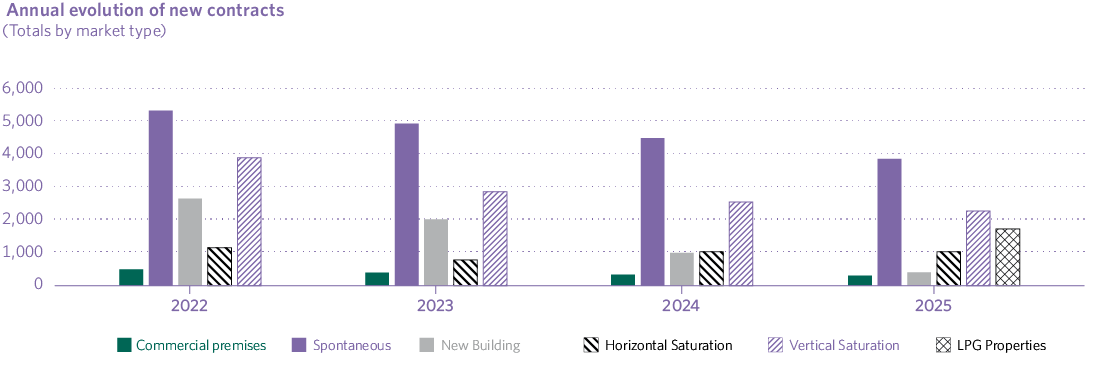
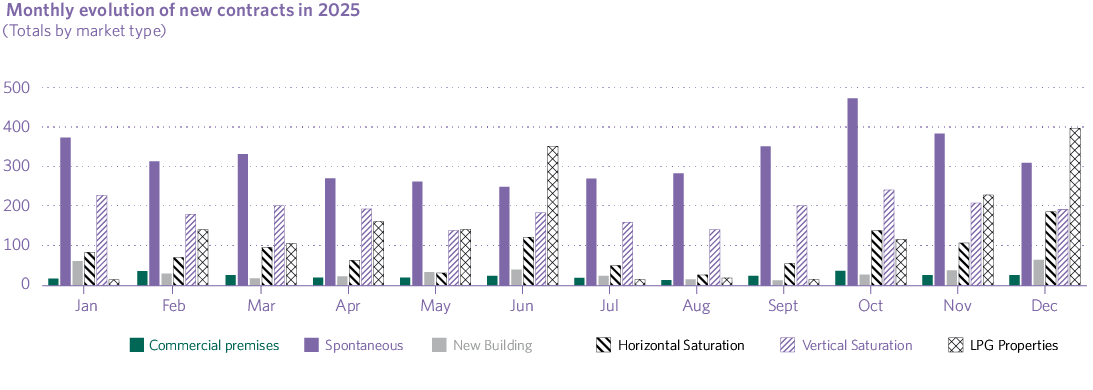
Given market saturation, the company has diversified its growth drivers towards strategic segments where natural gas represents a significant competitive advantage, including the marketing for properties supplied with LPG. The company has launched a specific programme to acquire customers in properties connected to Liquefied Petroleum Gas (LPG) networks, with the aim of unifying
the regional energy infrastructure and providing users with substantial improvements in terms of safety, final price and continuity of supply.
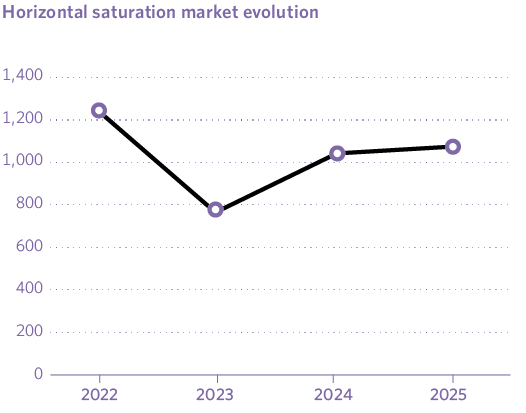
Milestone in horizontal saturation
Madrileña Red de Gas’s expansion activity has focused on horizontal saturation, a strategy that prioritises capillarity and efficiency over the dispersion of assets. In the commercial sphere, the company has launched various initiatives aimed at generating a stable portfolio of new customers, enabling this market to play a significant role in the company’s overall growth.
One of the key factors behind the strong performance of the Horizontal Saturation market is Madrileña Red de Gas’s firm commitment to investment and economic development in the Community of Madrid. Thanks to this ongoing commitment, new municipalities are connected to the gas network every year, with more than 15 new municipalities incorporated over the last eight years.
Investment in new infrastructure
Madrileña Red de Gas has installed nearly 15 km of new network extensions on public roads. This roll-out has prioritised reaching inhabited properties which, although located within the distributor’s catchment area, had previously lacked a connection at the front of the building.
100% of the installed infrastructure has been designed in accordance with the latest standards, ensuring full compatibility with the future distribution of renewable gases, including biomethane and green hydrogen. In this way, every new section of pipeline is ready to operate with gases from sustainable sources.
Decentralisation and individual autonomy
Madrileña Red de Gas has responded effectively to growing consumer demand to move from centralised models towards systems with individual supply points (CUPS). This transition enables the acquisition of new customers within the existing network, granting full consumption autonomy to every end user. This approach also helps to increase the resilience of the customer base.
Boosting low-penetration IRCs
Madrileña Red de Gas has achieved notable commercial success in the development of Communal Gas Reception Installations (IRC) in buildings where uptake is limited to a small percentage of dwellings. This has enabled the creation of a specific commercial product, designed to facilitate access to the supply in inhabited properties where other solutions were not viable.
The installer channel: a strategic partner
Success in securing new supply points in a highly saturated market would not have been possible without close collaboration with authorised installation companies and the Association of Companies in the Installations and Energy Sector (AGREMIA).
Success in securing new supply points […] would not have been possible without close collaboration with authorised installation companies and the Association of Companies in the Installations and Energy Sector (AGREMIA)
Madrileña Red de Gas has strengthened its alliance with this group, playing an active role as a technical and commercial facilitator. Installers have established themselves as a key element in maximising the performance of the nearly 15 km of network extended through ‘door-to-door’ marketing, identifying renovation opportunities and advising end customers directly. Their work has been crucial in conveying to users the benefits of switching to natural gas, particularly compared to less efficient alternatives.
A model of sustainable growth
The results for the financial year highlight the strength and resilience of Madrileña Red de Gas in the face of a particularly adverse environment. The expansion of the network by more than 14 km within a market with a saturation level exceeding 80% is a clear indicator of the company’s ability to continue generating growth even in a highly competitive and mature sector.
Madrileña Red de Gas has not only increased its asset and customer base, but has also consolidated a capillary, modern network that is fully equipped to meet present and future challenges. In this context, natural gas is confirmed as the most realistic and efficient alternative for advancing the energy transition in the Community of Madrid, enabling progress towards decarbonisation without compromising coverage or leaving behind the existing residential stock.
Madrileña Red de Gas has not only increased its asset and customer base, but has also consolidated a capillary, modern network that is fully equipped to meet present and future challenges
Furthermore, the majority of the network is made of polyethylene, a material that offers high levels of safety, durability and operational efficiency. Unlike the situation in the electricity sector, the current gas infrastructure presents no limitations to the addition of new connections, as it maintains a capacity that would allow for the conveyance of up to three times the flow currently distributed.
This robustness makes MRG’s network a safe, meshed and highly resilient infrastructure, particularly in critical situations: power cuts, geopolitical crises or episodes of extreme cold, such as those experienced during Storm Filomena.
2.2Large-Scale Consumption
In the large-scale consumption market, Madrileña Red de Gas has faced a year characterised by multiple challenges, all of which it has successfully overcome. The company ends the year with a total of 361 supply points and an annual consumption of 130 GWh. These results reinforce the confidence of various sectors in the advantages and competitiveness of natural gas.
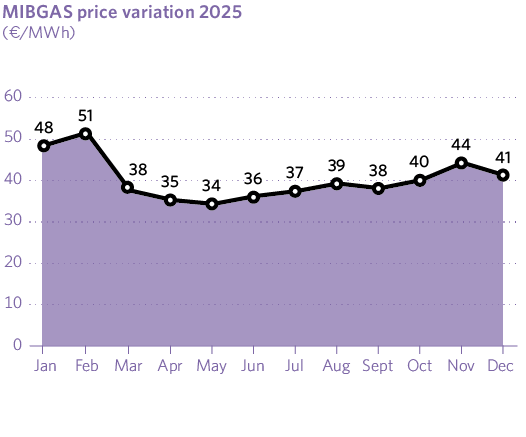
Furthermore, the excellent results achieved by Madrileña Red de Gas in this market during 2025 are largely attributable to the gradual stabilisation and downward trend in natural gas prices.
The excellent results achieved by Madrileña Red de Gas in this market during 2025 are largely attributable to the gradual stabilisation and downward trend in natural gas prices
Industrial market
This confidence is reflected and reinforced by the renewed commitment of several of Madrileña Red de Gas’s industrial customers to natural gas, using this energy in their new production lines. This confirms that it is the most competitive and efficient option for their industrial processes. Leading companies such as Martinrea Honsel, the La Santa María chips factory and ABN have chosen to maintain and expand their natural gas-based facilities, thereby consolidating their commitment to this energy source.
As anticipated back in 2024, the paint spray booth workshop segment has established itself as a strategic market this year. In line with Madrileña Red de Gas’s commitment to driving its development, a specific campaign was launched aimed at converting paint spray booths from diesel to natural gas, providing a financial contribution towards the cost of replacing the burner. This initiative, supported by intensive commercial efforts and direct collaboration with the company’s sales force, has effectively communicated to customers the competitive advantages of natural gas over other fuels.
As a result of this campaign, 16 new workshops were brought into service in 2025. Of particular note is the addition of two large-scale centres which, together, consume nearly 2 GWh per year. The success of this initiative reinforces Madrileña Red de Gas’s commitment to continuing it over time, thereby contributing to the modernisation and improved energy efficiency of the vehicle repair and maintenance sector.
Commercial market
As regards the commercial market, self-service laundries continue to perform well, with the opening of 42 new outlets in Madrileña Red de Gas’s distribution area. This growth reaffirms the competitiveness of natural gas as an energy solution for this business model.
Institutional market
In the institutional market, Madrileña Red de Gas has made progress in extending the supply of natural gas to essential services, commissioning two new crematoria (M40 and Leganés) and connecting a total of 23 educational establishments. Furthermore, the company has identified a key opportunity in new educational developments. Faced with the technical difficulties and delays associated with other technologies, such as aerothermal energy, in the delivery of electrical power, Madrileña Red de Gas has proactively positioned itself to offer viable alternative solutions based on natural gas and biomethane.
Madrileña Red de Gas has made progress in extending the supply of natural gas to essential services, commissioning two new crematoria and connecting a total of 23 educational establishments
In this same vein of collaboration with the public administration, Madrileña Red de Gas has worked closely with various local councils to facilitate their access to grants aimed at replacing heating systems with natural gas-based solutions in educational establishments. To this end, the company has provided these bodies with bespoke technical studies enabling them to modernise their facilities by taking advantage of the opportunities offered by the Regional Investment Plan.
As one of the most significant milestones of the financial year, the project to switch from propane to natural gas at the Alfonso X El Sabio University (UAX) in Villanueva de la Cañada deserves a special mention. This project presented a major challenge due to the large number of boiler rooms that needed to be adapted, which required the coordinated involvement of numerous companies and resources.
The success of the operation was based on the effective coordination between the network conversion works and the work on the internal installations, an essential aspect for ensuring the continuity of supply at all times and avoiding any disruption to the centre’s academic activities.
This is undoubtedly a clear example of Madrileña Red de Gas’s ability to coordinate multidisciplinary teams and provide an effective response to projects of this scale.
Boiler rooms
With regard to the market for boiler rooms in homeowners’ associations, Madrileña Red de Gas carried out intensive and highly productive commercial activity throughout 2025. During the financial year, visits were made to nearly 70 associations, resulting in contracts being signed with 17 of them.
It is worth highlighting the company’s ability to adapt to new trends in energy efficiency. In this regard, three of those owners’ associations have incorporated hybrid systems in which natural gas provides between 60% and 80% of the total installed capacity, thus demonstrating its full compatibility with other energy sources and its key role in the transition towards more efficient and sustainable energy solutions.
Furthermore, Madrileña Red de Gas has carried out essential work to build loyalty among owners’ associations, representing approximately 1,500 homes, which had received proposals to replace their current systems with aerothermal installations. Thanks to the technical and energy advice provided by the company, it has been demonstrated that renovating their boiler rooms by incorporating new, more efficient natural gas solutions is the safest option for ensuring residents’ comfort, whilst avoiding potential performance issues associated with other technologies.
This decision, which involves a significant investment by the homeowners, ensures that these communities remain long-term customers, consolidating both the continuity of supply and the stability of their future consumption.
Meanwhile, Madrileña Red de Gas is taking a proactive approach to the Móstoles district heating network — currently fuelled by biomass—, where it has identified a key opportunity on the occasion of the expiry of lock-in contracts. Additionally, numerous owners’ associations have expressed their dissatisfaction with comfort issues associated with the system, such as insufficient heating capacity or limitations in the availability of hot water.
In light of this situation, the company is actively working with property managers and association chairpersons to offer a switch to natural gas as the only alternative capable of guaranteeing the level of service and well-being that users demand.
Towards a smart model: data, control and green gases
To support all this market activity, Madrileña Red de Gas has introduced a number of new initiatives this year in the area of marketing campaigns, aimed at driving growth. Among these, the introduction of a bonus scheme for new connections stands out; this initiative has proved a resounding success by significantly speeding up the activation of new supply points.
Madrileña Red de Gas has introduced a number of new initiatives this year in the area of marketing campaigns, aimed at driving growth. Among these, the introduction of a bonus scheme for new connections stands out
In parallel with the commercial initiative, and thanks to the team’s fieldwork and detailed knowledge of the customer portfolio, various instances of fraud among large consumers were detected and rectified. The MRG team’s direct intervention has been crucial in minimising losses and ensuring the correct accounting of associated consumption.
Taking a further step in optimising its processes, Madrileña Red de Gas has made significant progress in data analysis thanks to the systematic recording of file information on its internal platforms. This progress has enabled the development of a Portfolio Report in Power BI, a tool that provides an accurate overview of market forecasts and facilitates strategic decision-making based on real-time, up-to-date information.
Finally, and with an eye to the future, the company is actively working on the development of decarbonisation solutions for its customers. Madrileña Red de Gas is currently negotiating strategic agreements with various gas suppliers to offer biomethane as an alternative, responding to the growing need for businesses to reduce their carbon footprint and reaffirming that its infrastructure is fully prepared to transport renewable gases.
2.3New Building
During this financial year, the new-build market has consolidated the transition towards heat pump systems (aerothermal energy), driven by compliance with the Technical Building Code (CTE) and other factors that directly influence this market.
During this financial year, the new-build market has consolidated the transition towards heat pump systems (aerothermal energy), driven by compliance with the Technical Building Code (CTE)
In this context, the current framework of the Technical Building Code (CTE) relating to the design of new buildings prioritises electrification via heat pumps as virtually the only solution for meeting primary energy consumption and emissions requirements.
However, this approach does not adequately recognise that a conventional gas boiler can operate entirely on biomethane, a renewable gas produced from organic waste with a carbon-neutral, or even negative, carbon footprint, thus constituting a 100% renewable alternative. By failing to consider this possibility, the CTE effectively creates technological discrimination against solutions that could contribute to decarbonisation by utilising existing infrastructure.
Despite this situation, Madrileña Red de Gas has maintained close collaboration with the main housing developers, holding various individual meetings with each of them.
The main purpose of these meetings is to consolidate the current use of natural gas as an essential infrastructure and as a gateway to biomethane and, in the future, even green hydrogen. In this context, Madrileña Red de Gas actively promotes the hybridisation of aerothermal and natural gas systems as an efficient and transitional solution.
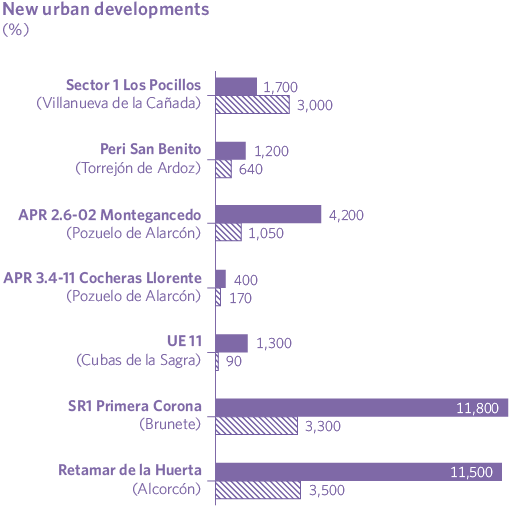
It is also worth noting that, throughout 2025, Madrileña Red de Gas has installed over 3,500 metres of third-party networks linked to future urban developments. These infrastructures are fully prepared for the distribution of renewable gases, thereby facilitating the gradual integration of future hydrogen networks.
Madrileña Red de Gas is installing distribution networks for renewable gases in 100% of new urban developments within its distribution area in the Community of Madrid. The exception is the city of Madrid, where this alternative is not being pursued.
This year, Madrileña Red de Gas has formalised collaboration agreements to promote various urban development projects in different municipalities across the region. Thanks to these agreements, there are plans to build 32 km of network, an infrastructure that will enable the supply of more than 11,000 homes in the future
In developments such as ‘Madrid Nuevo Norte’, the decision has been taken not to deploy gas distribution networks or to provide infrastructure ready for biomethane or renewable hydrogen. This decision limits future technological flexibility and hinders a diversified and resilient energy strategy, reducing the system’s alternatives and the complementarity between electrification and renewable gases for a carbon-neutral transition based on the complementarity between electrification, renewable gases and smart grids.
This year, Madrileña Red de Gas has formalised collaboration agreements to promote various urban development projects in different municipalities across the region. Thanks to these agreements, there are plans to build 32 km of network, an infrastructure that will enable the supply of more than 11,000 homes in the future.
Updates on the Technical Building Code
In November 2025, the Ministry of Housing and Urban Agenda launched a public consultation and information process regarding the Draft Royal Decree amending the Technical Building Code (CTE), which was approved by Royal Decree 314/2006. The aim of this procedure is to gather comments and contributions on the initiative submitted for public consultation.
The proposed amendment to the Technical Building Code (CTE) promoted by the Ministry of Housing and Urban Agenda is being put out for consultation with the aim of partially transposing the Energy Performance of Buildings Directive (EPBD), introducing regulatory adjustments designed to strengthen requirements regarding energy efficiency, sustainability and decarbonisation in the building sector.
The Spanish Gas Association (SEDIGAS) has led a joint and coordinated response from the gas sector, in which Madrileña Red de Gas has actively participated, with the aim of highlighting its strategic role in the process of decarbonising the economy. In the current context of the energy transition, it is essential to analyse the reality of Spain’s energy balance, with total demand amounting to 1,274 TWh/year.
The importance of the gas infrastructure is clearly reflected in the fact that the electricity system covers only 17.2% of this demand, whilst natural gas accounts for 27.3% of the total. These figures not only demonstrate the scale and significance of the gas system, but also consolidate it as an essential energy vector and a key pathway to achieving climate targets in an efficient, competitive and safe manner.
Based on this analysis, technical submissions and comments have been put forward with a view to updating the Royal Decree, specifically the Basic Energy Saving Document (DB-HE), in order to bring the regulations into line with the country’s technical and climatic realities. The most significant aspects of these contributions are as follows:
- Inclusion of biomethane: A request has been made for the explicit inclusion of biomethane in the formal definition of energy from non-fossil renewable sources, in order to ensure its proper recognition within the regulatory framework.
- Definition of zero-emission buildings: It is proposed that energy generated from the combustion of renewable fuels produced on-site be expressly recognised as renewable energy for the purpose of covering annual primary energy demand, thereby aligning the regulatory definition with the actual capabilities of these technologies.
- Review of heat pump efficiency for Domestic Hot Water (DHW): It is proposed that the current seasonal average efficiency requirement (set at 2.5) be supplemented by an additional minimum efficiency requirement under real winter conditions, adapted to each climate zone, in order to more accurately reflect their energy performance under normal operating conditions.
- Efficient urban systems: In the assessment of these systems, consideration should be given to both security of supply and the limitations they may impose on consumers’ freedom to choose their supplier, which are essential aspects for ensuring a fair and competitive framework.
2.4LPG Market
The LPG conversion
The conversion of Liquefied Petroleum Gas (LPG) installations to Natural Gas is a historic and essential growth driver for Madrileña Red de Gas.
This ambitious, long-term strategic plan reached a significant milestone in 2016 with the acquisition from Repsol Butano of more than 40,000 supply points, an asset that the company has been systematically transforming ever since.
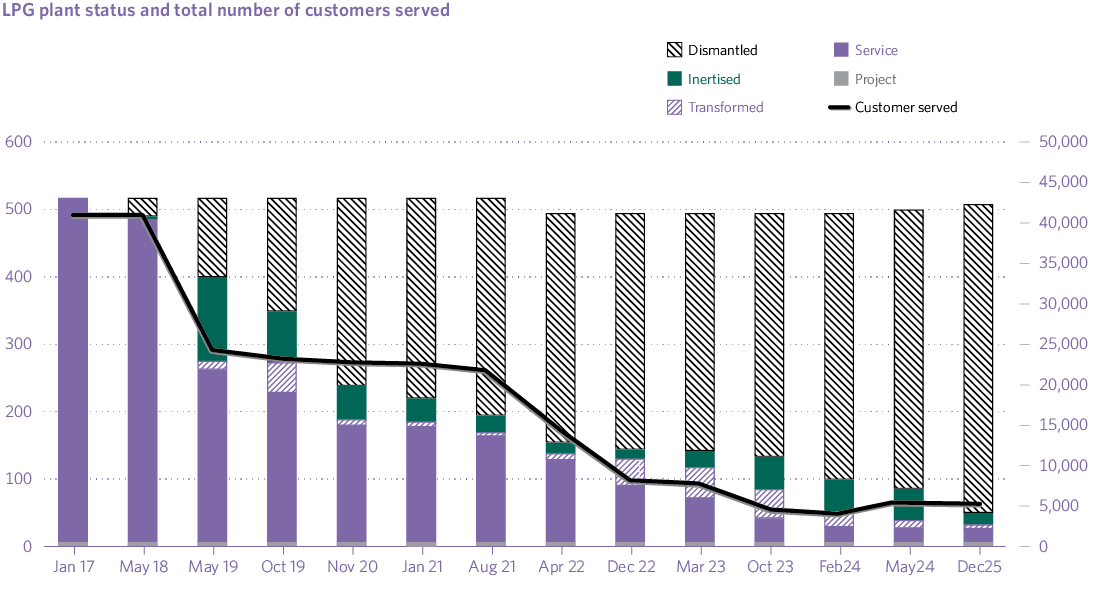
During the 2025 financial year, the business has maintained a consistent approach that consolidates this strategic vision, aimed at unifying infrastructure and modernising the region’s energy assets.
Acquisition and transformation of Aliara GLP assets
As part of the completion of this strategic plan, Madrileña Red de Gas has reached a new milestone in the company’s history through the acquisition of more than 3,500 piped LPG supply points from Aliara GLP. This operation reinforces the organisation’s firm commitment to consolidating its leadership in the energy transition across all its areas of influence, as well as to completing the expansion process initiated almost a decade ago.
A testament to the company’s operational agility is that, during the 2025 financial year, 740 of the points acquired from Aliara GLP have already been successfully converted and are now fully integrated into the natural gas network. This figure adds to the year’s overall total, in which more than 1,800 supply points have been converted, thereby maintaining the organisation’s solid organic growth.
Technical complexity
Madrileña Red de Gas’s key differentiating factor this year lay in its ability to execute projects with a high level of technical complexity, achieving the comprehensive conversion of a total of 23 km of network. The significance of this milestone lies in the diversity of the infrastructure involved, which included networks constructed from copper, steel and polyethylene.
The most significant technological challenge of the period was the reuse of existing steel and copper networks. This process required the application of high-precision engineering solutions, as well as the implementation of advanced technical cleaning protocols and highly sensitive leak-tightness tests.
Adopting this approach has made it possible to repurpose high-quality materials and optimise the existing infrastructure, reinforcing Madrileña Red de Gas’s commitment to sustainability and the circular economy. In this way, the useful life of existing assets has been extended and the need for civil engineering works in established urban areas has been substantially reduced.
Benefits of the transformation
The migration from LPG to natural gas carried out by Madrileña Red de Gas in 2025 has generated structural benefits for all stakeholders in terms of:
- Security and continuity of supply: eliminating dependence on local storage tanks and tanker trucks ensures a continuous supply via the network.
- Sustainability: the use of natural gas represents a significant reduction in CO2 emissions compared to propane, helping local authorities align with decarbonisation targets.
- Cost-effectiveness: customers gain access to more competitive energy, with individualised metering systems and digital management tools.
- Future-proof infrastructure: the upgraded networks are designed to ensure compatibility with renewable gases, such as biomethane and hydrogen.
- Completion of comprehensive projects: such as those in the municipalities of Villanueva de la Cañada and Miraflores de la Sierra.
In this context, in 2025 Madrileña Red de Gas has demonstrated its ability to tackle complex environments through the comprehensive implementation of projects. For example, in Villanueva de la Cañada 2,200 installations have been upgraded, 500 of them during 2025, whilst in Miraflores de la Sierra, 1,150 customers have been converted (520 of them this year). These results reflect the company’s effectiveness in converting old distribution networks into modern, efficient energy infrastructures that are fully prepared for future challenges.
The results of the transformation project for the 2025 financial year reaffirm Madrileña Red de Gas’s position as a leader in smart asset management. The acquisition and subsequent integration of the new points from Aliara GLP, together with the appropriate technical adaptation of 23 km of network made up from various materials, demonstrates that the company not only maintains a solid growth rate, but also accompanies it with a high level of technical excellence, capable of transforming the existing infrastructure into a state-of-the-art energy network.
2.5Commissioning and Digitalisation
Throughout much of 2025 Madrileña Red de Gas has implemented a new integrated gas commissioning process, resulting from a complete optimisation of the previous model
As announced at the close of the 2024 financial year, throughout much of 2025 Madrileña Red de Gas has implemented a new integrated gas commissioning process, resulting from a complete optimisation of the previous model. The main purpose has been to optimise the customer experience whilst improving operational efficiency, reducing manual tasks and increasing the process’s success rate.
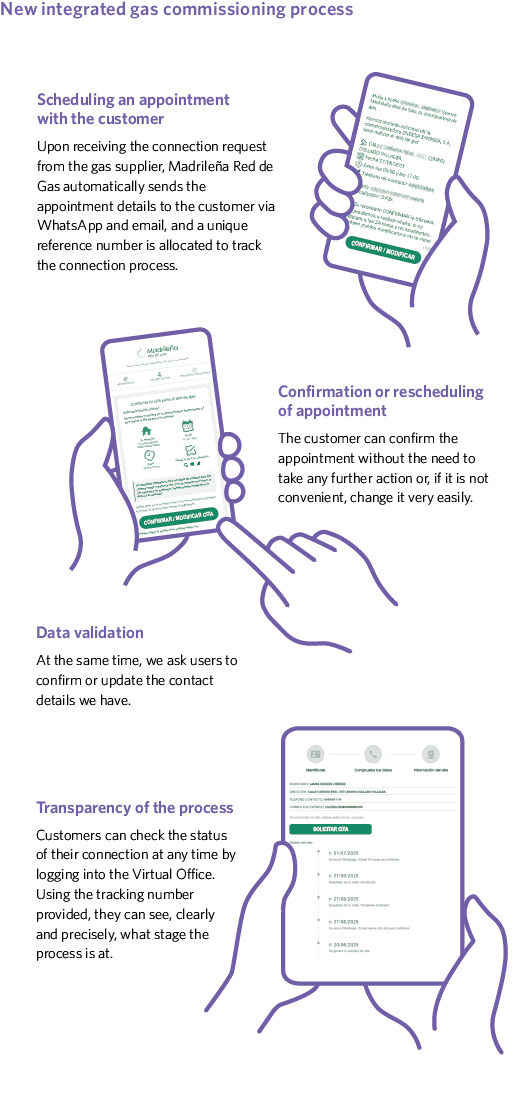
The new approach begins the moment the registration request is received from the supplier, automatically triggering an appointment notification for the customer. This system allows the user to confirm the proposed appointment or easily change it, avoiding unnecessary steps and providing greater convenience: if the appointment suits them, they do not need to take any further action.
Throughout the entire process, a model of continuous, automated communication via WhatsApp and email has been incorporated, ensuring close, agile and effective monitoring. Furthermore, automatic validation of contact details, telephone numbers and email addresses has been implemented, requesting updates in advance in the event of inconsistencies, which reduces incidents and prevents delays.
As a key element of transparency, a unique reference number has been generated, allowing the customer to check the status of their registration at any time via the Virtual Office, with a timeline clearly showing what stage the process is at. From an operational standpoint, the entire process is consolidated into a single work order, incorporating temporary statuses such as ‘customer absent’ or ‘defective installation’, which facilitate comprehensive and structured control of each case.
All these procedures are carried out via a landing page integrated into the company’s Virtual Office, which the customer accesses before completing their final registration as a user once their installation has been connected to the gas supply.
The communications sent to the customer not only provide direct access to the calendar to confirm or change the allocated appointment, they also allow the customer to view, in chronological order, all the actions taken since their request was received. Additionally, the system offers the option to update contact details should the user wish to make any changes.
These improvements have generated direct benefits for both customers and the company. For customers, they have meant greater ease of use, increased visibility of information, greater peace of mind and significant time savings. For the organisation, they have contributed to a reduction in call volumes and manual tasks, as well as an increase in the overall efficiency of processes.
Thanks to this transformation, customer satisfaction levels have improved significantly. Specifically, the average customer satisfaction score (CSAT) for connection processes has reached 8.5, compared to 8.2 in the previous financial year. Similarly, the company has achieved an average rating of 4.6 out of 5 in reviews posted on Google My Business.
Furthermore, with the aim of minimising waiting times, Madrileña Red de Gas has managed to maintain its ratio for processing connection requests at under 3 working days in 2025. However, on certain occasions it is not possible to complete the gas connection during the initial visit due to the existence of a significant proportion of older installations that have defects.
Nevertheless, thanks to direct coordination with installation companies and the technical staff’s ability to resolve minor issues during the inspection, the company has managed to keep its average time for gas connection below 5 working days.
The volume of projects relating to network expansion and the installation of new connections has remained at levels very similar to those of the previous financial year. In 2025, almost 500 projects were processed, a figure comparable to that achieved in 2024. Furthermore, in properties that already had a gas supply, more than 120 applications were received to extend communal installations in order to bring gas to homes and premises that did not yet have it. This volume is virtually the same as that recorded the previous year.
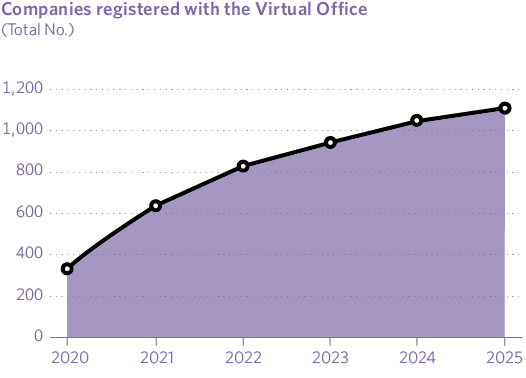
In 2025, 76 new companies joined, bringing the total number of registered installation companies to 1,121
At the same time, the number of installation companies registered with the Madrileña Red de Gas Virtual Office continues to grow steadily. In 2025, 76 new companies joined, bringing the total number of registered installation companies to 1,121.
These indicators show that the gas sector continues to evolve and is not stagnating, contrary to what certain forums may suggest. There are still municipalities with room to increase their penetration rate, and the data show that there are customers who continue to opt for this supply with a forward-looking approach. This reflects the increasingly widespread recognition that natural gas plays a fundamental role in the green transition, as it forms the basic infrastructure for the gradual integration of renewable gases, such as biomethane and green hydrogen.
2.6New Municipalities
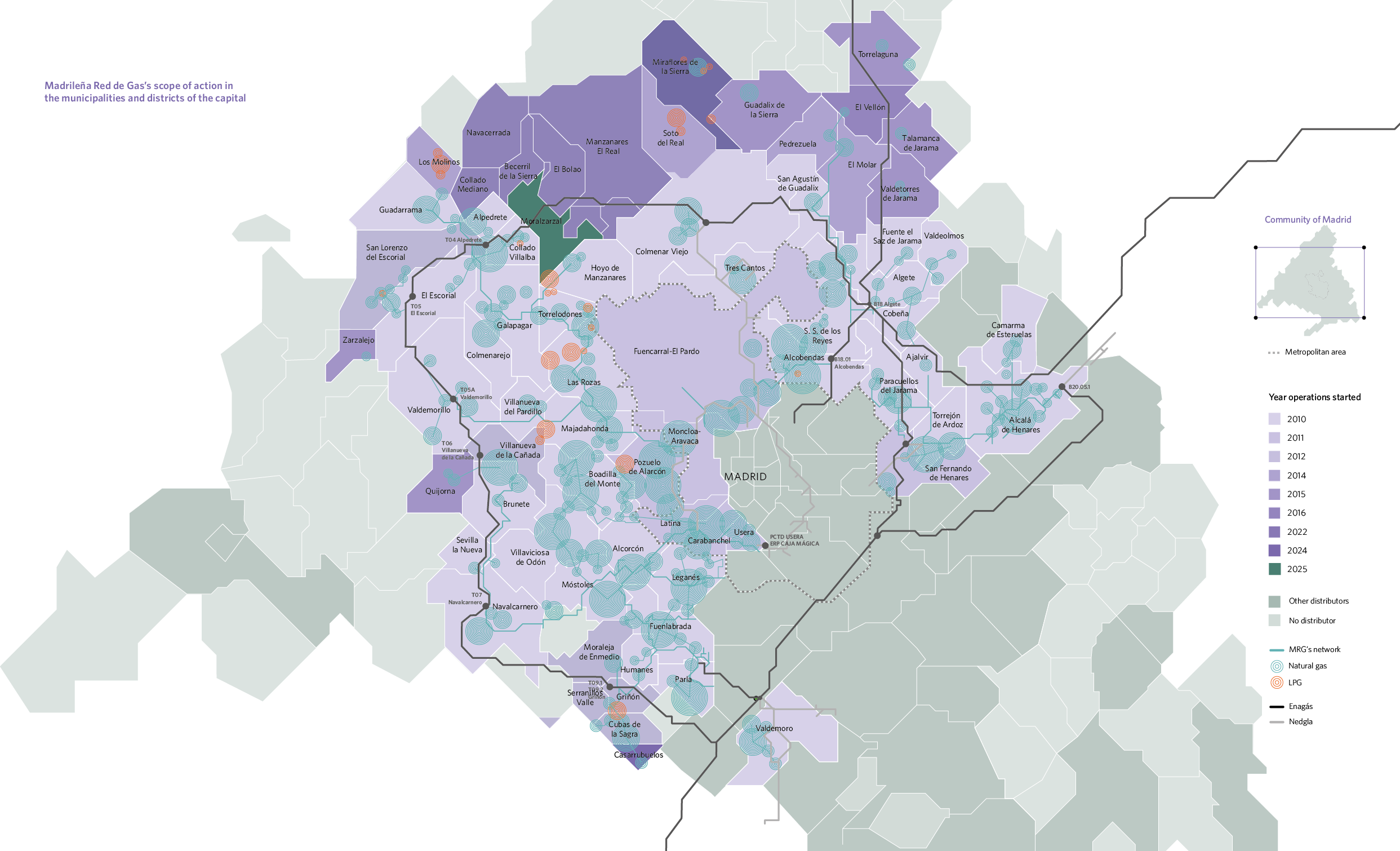
During the 2025 financial year, Madrileña Red de Gas has maintained and strengthened its commitment to the growth and expansion of its natural gas network. The company’s strategic objective remains to bring a convenient, efficient and competitive energy source —namely natural gas— to a growing number of homes and businesses.
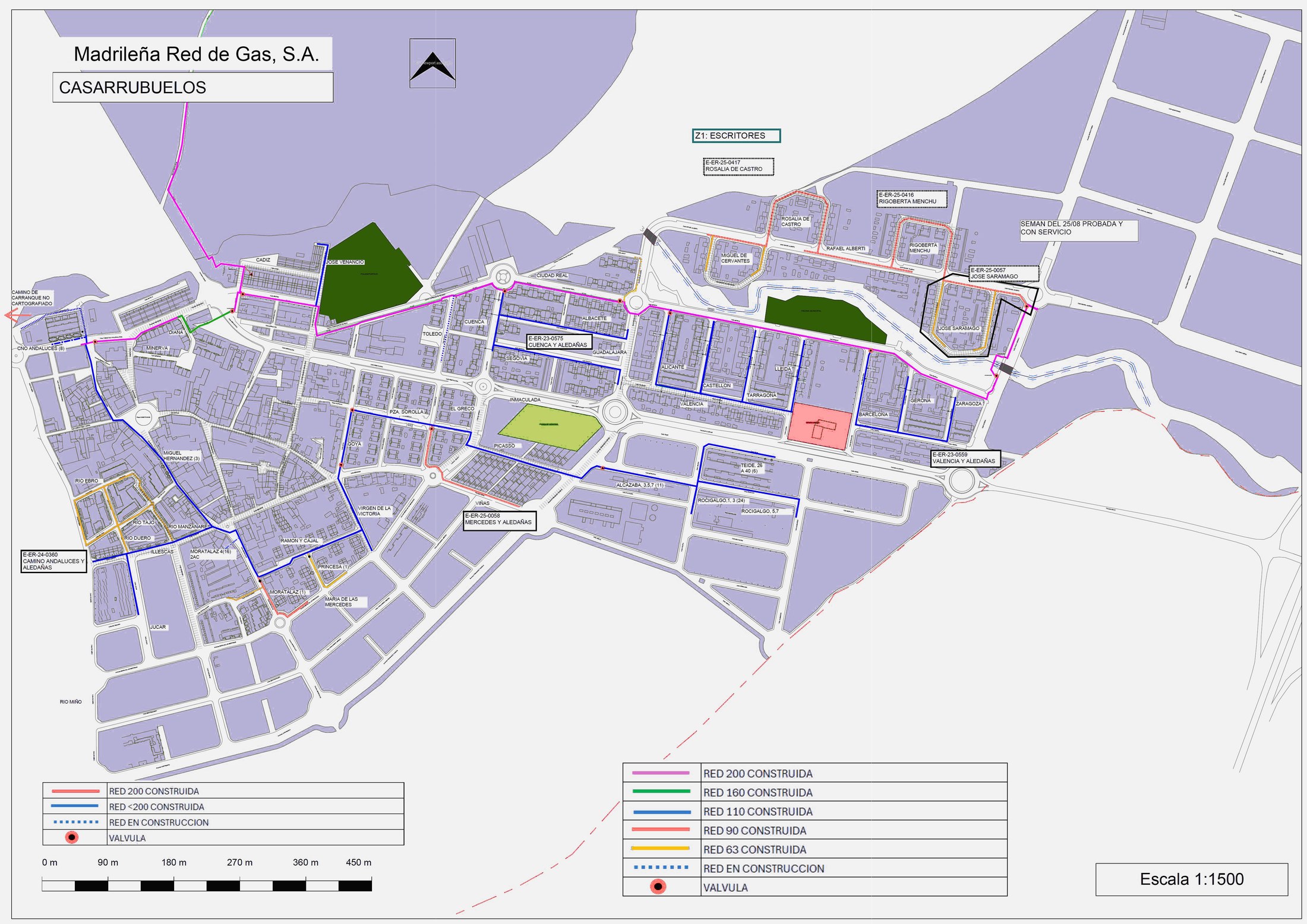
In the municipality of Casarrubuelos, where the supply was launched in 2024, 4,292 metres of new network have been laid, reflecting a very positive response from the public. At the end of the financial year, 276 customers were already using the service and a further 90 had signed up, with their installations pending completion.
In the municipality of Moralzarzal, Madrileña Red de Gas has successfully completed the construction of the link from Collado Villalba, an essential piece of infrastructure for enabling the distribution of natural gas in the area. The company is currently awaiting the municipal licence that will allow it to begin construction of the internal network, designed to comprise a main trunk line and two main branches.
A digital campaign has been launched in both municipalities to announce the arrival of natural gas and promote its benefits. This initiative has yielded very positive results, helping to boost interest and sign-ups for the service in both Casarrubuelos and Moralzarzal.
As for upcoming expansion targets, Madrileña Red de Gas is making progress on the Soto del Real and Los Molinos projects, both of which are at a significantly advanced stage of administrative processing.
As for upcoming expansion targets, Madrileña Red de Gas is making progress on the Soto del Real and Los Molinos projects
In Soto del Real, the company is awaiting the necessary authorisation to begin construction of the LNG (Liquefied Natural Gas) plant. Following the successful model previously implemented in Miraflores de la Sierra, the new plant will be built alongside the existing LPG (Liquefied Petroleum Gas) plant, enabling an efficient and safe conversion with minimal disruption to users.
In Los Molinos, steady progress has continued to be made in obtaining permits and managing the necessary procedures, bringing the company ever closer to the start of construction and the subsequent supply of natural gas in the municipality.
In parallel with the ongoing projects, Madrileña Red de Gas has begun the process of expanding the supply in the municipality of El Boalo, establishing initial institutional contacts with the local council. At the same time, the necessary engineering work has commenced for the design of the future facilities and infrastructure that will enable, in the medium term, the provision of natural gas to this town.
These developments reaffirm Madrileña Red de Gas’s commitment to extending a competitive, modern and essential energy source to new municipalities, driving the development of gas infrastructure.
2.7Commercial Initiatives
“Growing Together” 2025
As every year, Madrileña Red de Gas kicked off the financial year 2025 with its regular “Growing Together” event.
Throughout the day, attendees had the opportunity to participate in various presentations organised in a round-table format, during which the commercial campaigns planned for 2025 were introduced. The organisational structure of the Expansion Department was also outlined, providing a comprehensive and up-to-date overview of the strategic lines that will guide activities during the new financial year.
During the sessions held at the various round tables, the main challenges and opportunities facing the gas sector were addressed in an environment characterised by growing competition with other energy systems.
Representatives from the sector’s leading organisations shared their concerns, knowledge and experiences, fostering a dynamic and enriching space for professional exchange.
One of the main focus areas of the event was the collaboration between Madrileña Red de Gas and the companies, with the presentation of the public tender.
Madrileña Red de Gas emphasises the importance of holding such meetings, which are essential for fostering ongoing communication and facilitating adaptation to market criteria and demands.
The successful staging of the event once again highlighted the importance of cooperation within the sector, enabling participating companies to continue moving forward together in an environment characterised by constant change.
In recognition of the loyalty and commitment shown, a prize draw was held amongst the attendees, with three prizes awarded to the companies that achieved the best results for the financial year.
Generic campaigns and installer network
In 2025, Madrileña Red de Gas presented its new commercial campaigns, which represent significant growth opportunities for the company. As they are targeted at specific market sectors, the aim is to tailor value propositions to ensure that each customer receives an offer which is custom-built to their needs. This approach improves customer satisfaction and increases the effectiveness of current sales channels.
The main strategic lines, as well as the incentives associated with these campaigns, are detailed below:
- The commitment to decentralisation processes, offering grants of up to €650 per supply point, with the aim of winning back those homes that choose not to rely on a centralised system and wish to increase their energy independence.
- The renewal of the campaign targeting multi-family buildings, offering grants of up to €450 per supply point, with the aim of expanding Madrileña Red de Gas’s presence in high-rise buildings.
- The expansion of campaigns targeting single-family homes, with grants of up to €500 per supply point, thereby facilitating the installation of more convenient, safer, more economical and modern energy systems.
Marketing strategies
Brand evolution: from Calderín to Caldegreen
Following the launch of “Calderín” in 2024, in 2025 the character has evolved into “Caldegreen”, a “superhero” symbolising the potential of biomethane and its contribution to the decarbonisation of natural gas boilers.
The main objective of this initiative is to raise awareness about the role of clean energy in reducing emissions, as well as to promote understanding of the use of green gases in conventional systems.
In 2025, Madrileña Red de Gas has produced two corporate videos, three blog posts and a dedicated landing page, aimed at combating misinformation and clearly explaining how renewable gases work and their benefits in conventional boilers.
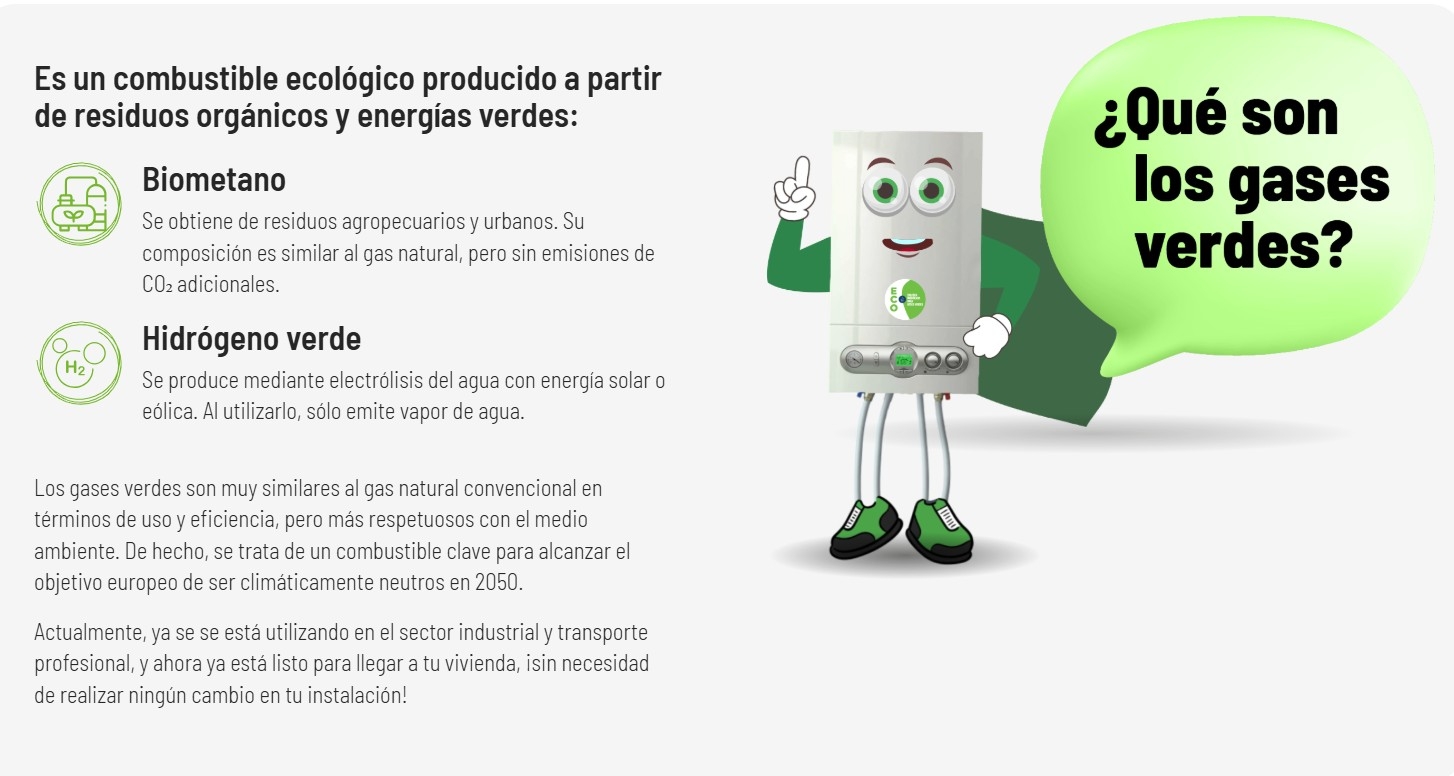
“Boiler ready for green gases” campaign
The digital campaign has delivered highly satisfactory performance indicators, reflecting a wide reach and significant levels of engagement:
- Total impressions: 4,068,110
- Total clicks to the Caldegreen landing page: 5,036
- Top ones by click volume:
- marca.com
- elmundo.es
- mundodeportivo.com
- as.com
- okdiario.com
- Top ones by click rate (CTR ≥20k impressions):
- marca.com
- 2nd elespanol.com
- elconfidencial.com
- elnacional.cat
- elpais.com
Key positives to highlight are:
- Media aligned with the message: The campaign achieved significant coverage in high-performing general and technology media (see previous rankings).
- Scale and consistency: Over 4 million impressions were achieved whilst maintaining a stable CTR of 0.12%, demonstrating sustained performance throughout the campaign period.
- Efficiency with warm audiences: Retargeting actions led the click-through rate, with a CTR of 0.19%, demonstrating their suitability for consideration phases.
- YouTube’s contribution: The platform accounted for approximately 25% of total impressions, boosting the campaign’s reach.
- High engagement with audiovisual content: The campaign’s main video on YouTube achieved an engagement rate of nearly 50%, indicating that half of the users who reached the content watched it, clicked on the link or shared it.
- Significant engagement: Over 5,000 clicks were generated and a view-through rate (VTR) of 60% was recorded for the campaign’s main video.
- Key platforms: The media outlets that drove the most traffic were marca.com, elmundo.es and elpais.com.
Billboard poster
In 2025, Madrileña Red de Gas produced various promotional materials designed both to inform the public and for advertising purposes. These materials were displayed on the construction billboards of network contractors, including their contact details, with the aim of facilitating access to information and reaching out to all potential customers within the company’s distribution area.
Digital campaign for new municipalities
In collaboration with the agency TMH, Madrileña Red de Gas rolled out various hyperlocal campaigns, designed to reach users within a radius of up to 100 metres around strategic points of interest. The aim of these initiatives was to promote the arrival of natural gas in new municipalities, offering advantageous contract terms and raising awareness about the future transition to green gases and sustainable energy. The strategy focused on the following key areas:
Madrileña Red de Gas rolled out various hyperlocal campaigns, designed to reach users within a radius of up to 100 metres around strategic points of interests
- Audience and reach: People aged between 30 and 65 living in the municipalities of Moralzarzal and Casarrubuelos, reached through hyperlocalisation techniques within a 100-metre radius.
- Channels: Dissemination via video formats, static and dynamic banners, as well as Native Prime placements in high-visibility media, with the aim of maximising traffic to the landing page.
Public offer 2025
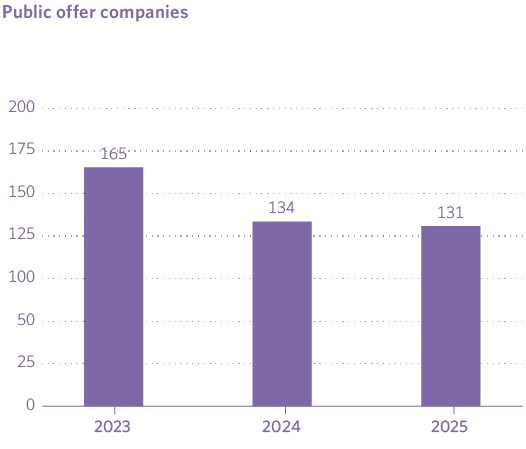
In 2025, a total of 131 installation companies signed up to Madrileña Red de Gas’s Public Offer, demonstrating, once again, the loyalty and commitment of the installation sector to the company’s commercial proposal.
Other initiatives
Marketing of the municipality of Moralzarzal
During this financial year, Madrileña Red de Gas began marketing the municipality of Moralzarzal, handling the necessary licences and permits for the construction of the planned distribution network. These preparatory works will enable the construction of this infrastructure to begin during 2026.
In this first phase, Madrileña Red de Gas is carrying out the surveys and commercial work necessary to enable the roll-out of natural gas in the municipality.
Consolidation of the municipality of Casarrubuelos
During 2025, Madrileña Red de Gas consolidated the natural gas network in the municipality of Casarrubuelos, laying over 4,000 metres of pipework
During 2025, Madrileña Red de Gas consolidated the natural gas network in the municipality of Casarrubuelos, laying over 4,000 metres of pipework and enabling the supply of gas to more than 300 homes, representing a penetration rate of 20% of households in the municipality in just one year, and a net investment of over one million euros in networks and connections. At the same time, customer acquisition initiatives were carried out in the area, including direct contributions aimed at boosting customer sign-ups and strengthening both the commercial presence and service coverage in the municipality.
2.8Distribution Network
During the 2025 financial year, Madrileña Red de Gas achieved 100% completion of its Preventive Maintenance Plan, ensuring the proper upkeep and safety of the 6,192 km distribution network, as well as the ancillary facilities and the Liquefied Natural Gas (LNG) and LPG satellite plants.
During the 2025 financial year, Madrileña Red de Gas achieved 100% completion of its Preventive Maintenance Plan
The implementation of the Preventive Maintenance Plan during the financial year included, amongst other significant actions:
- Scheduled operations: involving the completion of more than 11,000 technical interventions, aimed at ensuring the correct functioning of the infrastructure.
- Pressure control: ensuring the proper performance of the regulation systems across their entire operating ranges.
- Network monitoring: through leak testing of 3,353 km of infrastructure, contributing to the security and reliability of the supply.
- Asset reliability: with the operation and verification of over 7,200 valves.
- Structural protection: through the performance of 3,500 cathodic protection measurements on steel networks, as well as 1,000 painting and cleaning operations, aimed at preserving the long-term integrity of the assets.
In the area of corrective actions, all necessary repairs and renovations have been carried out to address the incidents detected, in strict compliance with applicable regulatory and legislative standards. The primary objective of these actions has been to maintain the highest levels of network safety and ensure the continuity of supply to all customers.
Sustainability and environmental commitment
Madrileña Red de Gas has continued to make progress with its plan for the gradual decommissioning of LPG facilities, developed in coordination with different municipalities of the Community of Madrid, with the aim of reducing the environmental impact of obsolete infrastructure and improving the network’s integration into the urban environment.
Madrileña Red de Gas has continued to make progress with its plan for the gradual decommissioning of LPG facilities
Among the actions carried out during the financial year, the following are particularly noteworthy: the decommissioning of 27 plants and 52 storage tanks, contributing to the safe disposal of out-of-service facilities. Furthermore, atmospheric emissions have been prevented, with the collaboration of Repsol, during the 50 transport operations carried out for the transfer of gas, preventing its release into the atmosphere and reducing fugitive emissions.
In addition, the proper transport and treatment of waste at authorised plants have been guaranteed at all times, minimising environmental impact and potential effects on the local community, thereby contributing to a better circular economy.
Urban development and infrastructure safety
In parallel, the company has continued to promote initiatives aimed at modernising the network, adapting to new urban developments and improving operational safety, in line with criteria for sustainability, infrastructure resilience and occupational risk prevention.
Among the most significant initiatives are the modernisation of the network, by replacing traditional materials (steel and copper) with polyethylene across nearly 2,000 metres of infrastructure, thereby increasing the safety and service life of the assets.
The adaptation to public infrastructure, with the relocation of 3,000 metres of network as a result of new urban developments and the construction of hospitals.
The undergrounding of the A-5 motorway, with the renewal of over 2 kilometres of network affected by works commissioned by Madrid City Council, ensuring the continuity and security of supply during their execution.
Finally, with regard to safety, all activities associated with these projects were carried out without any accidents, reinforcing the company’s commitment to occupational and operational safety.
Technical milestone in 2025: management and repair of vacuum loss in LNG tanks
During the 2025 financial year, a progressive loss of thermal insulation capacity was detected in two LNG satellite plants, each equipped with a single tank.
The cause of this incident was a natural physical phenomenon of thermal contraction. The passage of very low-temperature gas through the filling pipe caused longitudinal contraction of the metal material, generating tensile stresses which, in specific instances, resulted in a microscopic crack in the weld joint between the filling pipe and the tank. Consequently, air entered the vacuum chamber, reducing the insulating effect of the vacuum-insulated double-walled tank.
At all times, the tank remained airtight, and the safety of the installation was not compromised.
Locating such a crack in a vacuum chamber is a highly complex technical task. To identify it, a high-precision testing technique was used: the helium leak test, which involves introducing this gas into the system. Due to the small size of its molecules, helium is able to pass through micro-defects imperceptible by other methods, and is subsequently detected using specific, highly sensitive equipment.
The permanent repair of this type of fault requires the complete emptying and inerting of the tank, which would have meant interrupting the supply for several days to the municipalities served by these plants. To avoid this disruption, Madrileña Red de Gas activated a specific emergency plan aimed at ensuring continuity of service:
- Supply via an LNG tanker: installing a fixed tanker truck at the plant, which temporarily took over the functions of the storage tank.
- Temporary connections: using hoses specially designed to transport the gas directly from the tanker to the plant, keeping the installation monitored at all times and ensuring the supply to the network of the affected municipalities.
- 24-hour security: establishing continuous on-site surveillance due to the temporary and manual nature of the solution, with constant monitoring of pressures and levels, ensuring that the service was provided without interruption and under conditions of maximum safety.
Control Centre
During the 2025 financial year, Madrileña Red de Gas has taken a quantum leap in the monitoring and control of its networks, through the implementation of technological improvements aimed at enhancing safety, operational efficiency and the proactive management of infrastructure.
The main actions carried out were as follows:
- Upgrading of the SCADA system: by updating to a new version of AVEVA’s SCADA system, which has resulted not only in improved software, but also in a significant advance in terms of robustness, reliability and accuracy in the management and utilisation of operational data.
- Smart connectivity (IoT): achieved through the upgrade of the Unectic server and the firmware update of equipment deployed in the field. This new cloud infrastructure, combined with a more intuitive interface, enables remote incident resolution, reducing unnecessary travel and improving operational efficiency.
- Preventive monitoring of LNG networks: through the installation of new measurement points that allow for more detailed monitoring of pressures in the most remote sections of the network, enabling early detection of deviations and a reduction in response times to potential incidents.
- Commitment to maintenance and remote management: achieving 100% compliance with the remote management plan, with the execution of nearly 600 actions, both preventive and corrective, consolidating a predictive and proactive asset management model.
- Gas quality control: through approximately 100 monthly visits to the network to verify tetrahydrothiophene (THT) concentrations. These actions ensure that odourisation levels remain within the limits set by current regulations (18–22 mg/m3). Furthermore, in line with its policy of continuous improvement of working environments, Madrileña Red de Gas has, during the financial year, upgraded the lighting systems at seven strategic facilities, with the aim of enhancing safety and working conditions for technical staff.
In addition to that, the company has made progress in its commitment to the transition towards more sustainable energy sources by installing photovoltaic self-consumption systems at five regulating and metering stations (RMS), designed to power communications systems efficiently and with a lower environmental impact.
LNG logistics management
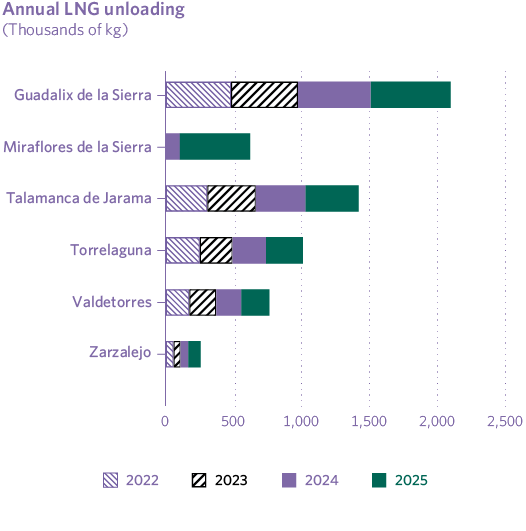
Throughout the 2025 financial year, the Control Centre successfully managed the logistics of over two million kilograms of LNG, ensuring a continuous and reliable supply to thousands of households
Guaranteeing supply across the entire network is a strategic priority for Madrileña Red de Gas. In this context, throughout the 2025 financial year, the Control Centre successfully managed the logistics of over two million kilograms of LNG, ensuring a continuous and reliable supply to thousands of households in towns such as Guadalix de la Sierra, Miraflores de la Sierra and Torrelaguna. This operation was underpinned by exhaustive planning and coordination of unloading operations, carried out to high standards of precision, safety and operational efficiency.
Mapping: the map of excellence
Given that Madrileña Red de Gas’s infrastructure is mainly located underground, the accurate and up-to-date identification of its routing is a critical factor in ensuring operational safety and the proper management of assets. In this context, the company has continued to advance its commitment to technical precision through the following actions:
- Updating the territory: through the completion of mapping adjustments in strategic municipalities such as Alcalá de Henares, Leganés and Valdemoro. Additionally, more than 32 km of new network and nearly 1,900 connections have been incorporated into the system, increasing the reliability and level of detail of the available information.
- Innovation in leak detection: with the launch of a pioneering advanced spatial analysis project, which enables the cross-referencing of historical data to proactively and preventively identify the most vulnerable sections of the network. This initiative introduces the use of Big Data as a key tool for anticipating incidents, as well as for proactive risk management.
- “Mobility project”: aimed at equipping technical staff with digital solutions to facilitate fieldwork. Within this framework, a platform is being developed that will enable incidents to be recorded in real time from mobile devices, significantly optimising maintenance processes and improving operational efficiency and the traceability of actions.
Verification and metering: accuracy and reliability
In this financial year, a significant milestone in the field of verification and metering has been reached, consolidating a wide-ranging technical roll-out: the upgrade of 100% of the industrial infrastructure was completed and over 3,300 replacements of remote metering equipment were managed, an initiative that goes beyond mere regulatory compliance and represents a structural transition towards greater operational efficiency and improved data reliability.
The upgrade of 100% of the industrial infrastructure was completed and over 3,300 replacements of remote metering equipment were managed
This process of technological renewal is a key element in enhancing the quality of information, the traceability of measurements and the optimisation of energy management, contributing to more accurate and informed decision-making.
The upgrade of the equipment stock has been structured around three strategic areas:
- Compliance with legal obligations: ensuring that the equipment fully meets current regulatory and legislative requirements.
- Platform migration: aimed at adopting more advanced and robust systems capable of improving interoperability, security and data utilisation.
- Proactive upgrading of secondary equipment: anticipating technological obsolescence and reinforcing the overall reliability of the metering system.
The transformation carried out is not limited to a hardware replacement, but represents a comprehensive evolution of the metering ecosystem. The gradual phasing out of obsolete systems and the implementation of a new technological platform have made it possible to eliminate the so-called ‘blind spots’ in the network, substantially improving the quality, accessibility and traceability of the information.
The gradual phasing out of obsolete systems and the implementation of a new technological platform have made it possible to eliminate the so-called ‘blind spots’ in the network
This upgrade delivers key operational benefits:
- Accuracy: thanks to more reliable and consistent readings, which reduce discrepancies in billing processes and improve energy balance.
- Connectivity: through the adoption of new communication protocols that ensure the robustness of remote metering, even in areas with limited coverage.
- Trust: by ensuring full data traceability, from the point of consumption to the central management platform.
| Type of Action | Scope of Operations | Technological Impact |
| Industrial Meters | +1,300 replacements | 100% compliance with current regulations |
| Mandatory Remote Metering | Complete replacement | Integration of new communication protocols |
| Non-mandatory Remote Metering | +2,000 units | Migration to modern technologies and wider coverage |
The replacement of over 2,000 telemetry devices, on a non-mandatory basis, demonstrates a firm commitment to digitalisation that goes beyond strict regulatory compliance, reinforcing operational efficiency, data quality and long-term value creation.
Emergencies
Madrileña Red de Gas’s commitment to service is reflected in its round-the-clock responsiveness and its dedication to safety and operational excellence. In this context, the emergency service has maintained continuous 24-hour operation throughout 2025, 365 days a year, ensuring an immediate response to any incident.
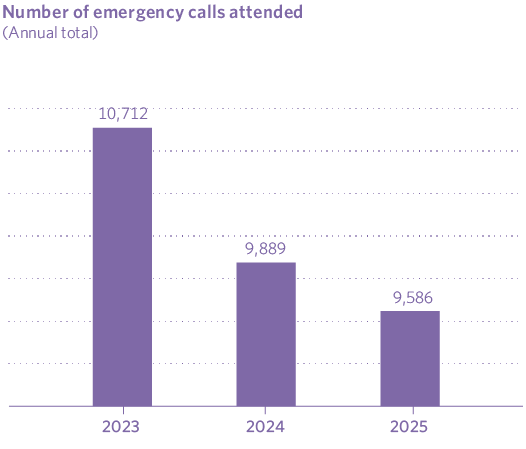
The effectiveness of the protocols and procedures in place enabled the handling of 9,586 emergency alerts, optimising the allocation of resources and achieving a 3% reduction in the number of actual incidents compared to 2024
Throughout 2025, the company’s Call Centre handled a volume of calls 18% higher than in the previous financial year. Despite this increase in advisory activity, the effectiveness of the protocols and procedures in place enabled the handling of 9,586 emergency alerts, optimising the allocation of resources and achieving a 3% reduction in the number of actual incidents compared to 2024.
Speed of response is a key element of Madrileña Red de Gas’s safety strategy. In 2025, the company handled 1,191 top-priority (P1) alerts, achieving an average response time of just 27 minutes, reflecting the effectiveness of its emergency protocols and its ability to respond to critical situations.
In 2025, the company handled 1,191 top-priority (P1) alerts, achieving an average response time of just 27 minutes
This performance not only exceeds the internal quality target of 30 minutes, but also achieves a compliance rate of 98.3% for alerts handled within an hour, far surpassing the sector’s most demanding standards.
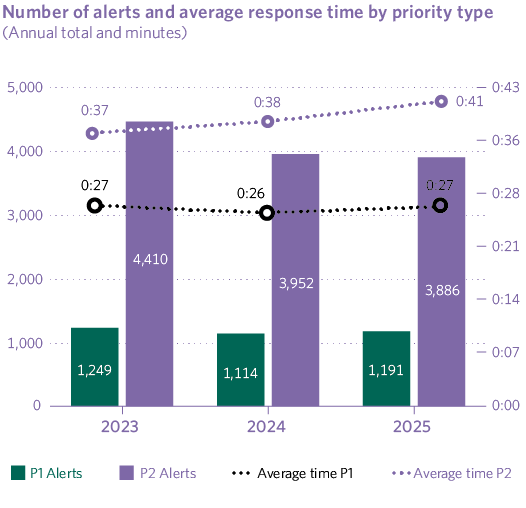
Regarding efficiency in Priority 2 (P2) alerts, the 3,886 alerts classified in this category were handled with an average response time of 41 minutes, demonstrating an agile and consistent capacity to act across all levels of criticality.
Furthermore, during the 2025 financial year, Madrileña Red de Gas immediately resolved a total of 109 alerts resulting from breaks caused by third parties. Thanks to effective coordination among the various teams involved, the average response time was reduced to 29 minutes, representing an improvement of 2 minutes compared to the previous financial year.
This response capability has made it possible to minimise the environmental impact associated with leaks, as well as to recover the costs incurred by the response in virtually all cases, despite a recorded gas leak equivalent to 1.09 GWh.
As a key milestone, and as a result of the strategic commitment to the development and upskilling of internal talent, for the first time in recent years the volume of emergency calls handled by Madrileña Red de Gas’s own staff has exceeded that managed by partner companies.